
Introduction
Chrome sometimes blocks downloads on phones to protect users from harmful files or risky sites. That protection helps, but it can also stop safe files you need for work, school, or travel. If you see alerts like Download blocked, File may be dangerous, or nothing happens when you tap a download button, you can fix it. This guide focuses on how to unblock downloads on Chrome on Android and iPhone while keeping your device safe. You will check storage and permissions, tune Chrome settings, and resolve network or site problems. Each section builds on the last, so start with quick checks and move to device steps before changing security features. Along the way, you will learn how to handle high risk file types without exposing your phone to malware and how to prevent future download blocks.
What ‘Blocked Download’ Means in Chrome on Mobile
Chrome blocks downloads when it detects risk to your device, data, or browsing session. On mobile, most blocks come from three places: Safe Browsing warnings, site permissions that limit pop ups or automatic downloads, and phone level restrictions such as missing storage permissions or disabled system services. You may see Chrome warnings such as Download blocked, File can not be downloaded securely, or File may be dangerous. You might also see a silent failure where tapping a download does nothing because Chrome blocked a pop up. In other cases, a VPN, school or work policy, or a captive Wi Fi sign in page interrupts downloads. Knowing which layer triggered the block will save time. With that context in mind, the next step is to identify the exact message and pinpoint the likely cause.
Identify the Exact Error and Root Cause
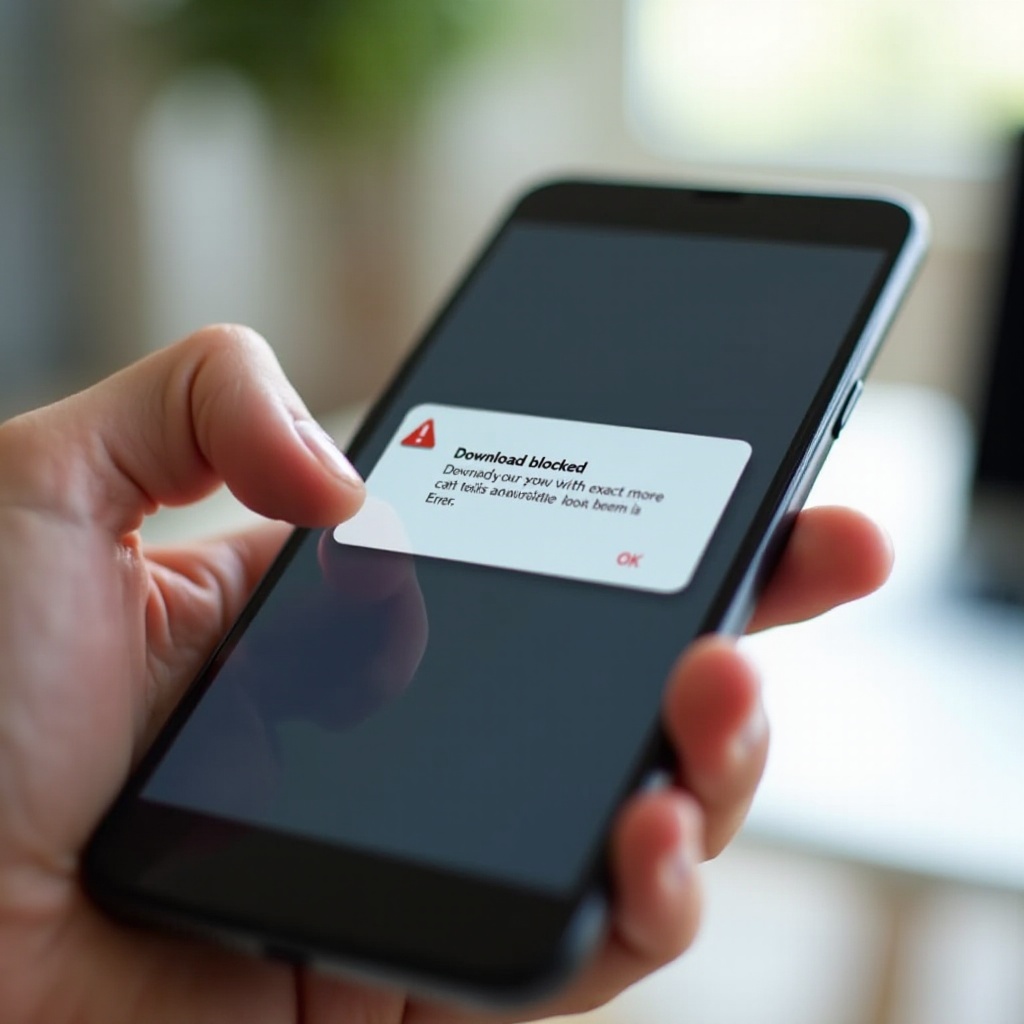
Start by reading the message at the bottom of the screen or in the download tray. The wording often reveals the culprit:
– Download blocked or Dangerous: Safe Browsing flagged the file or source.
– File can not be downloaded securely: the file comes from an insecure HTTP link or mixed content on an HTTPS page.
– Tapping the button does nothing: the site likely needs a pop up or an automatic download permission.
– Not enough space or Storage permission needed: storage is full or Chrome lacks file access.
– Download failed or Network error: the connection dropped, a VPN interfered, or a captive portal blocked access.
Test the same link on a second network or device to isolate whether the problem lives on the phone, in Chrome, or on the site. On Android, check notifications from Download Manager. On iPhone, watch the Files app location you set for Chrome. If possible, try a small file from a trusted site to verify general download functionality. Once you match the message to a cause, you can apply the fastest fix. Before you change any security features, try a few quick steps that resolve many problems without reducing protection.
Quick Fixes to Try First
These simple checks solve many blocks with minimal risk:
1) Confirm storage and location. Free 1 to 2 GB of space. On Android, ensure Chrome can write to internal storage or switch from SD card to internal. On iPhone, check free space in the Files app and iCloud Drive if you use it.
2) Update Chrome and your OS. Install updates from Google Play or the App Store. Restart your phone after updating to refresh services.
3) Change networks or disable privacy layers. Switch between Wi Fi and mobile data. Temporarily turn off VPN, Private DNS on Android, or iCloud Private Relay on iPhone to test.
If downloads now work, re enable your privacy features and continue. If you still face blocks, move to the platform specific steps for Android and iPhone to adjust the right settings safely.
Unblock Downloads on Android: Step-by-Step
You will address permissions, system services, Chrome protections, and site settings. Test after each change so you only alter what is necessary.
Grant storage and file access permissions
- Open Settings > Apps > Chrome > Permissions.
- Allow Photos and Videos or Files and Media, depending on your Android version.
- If you save to an SD card, switch downloads to internal storage in Chrome or ensure the card is mounted and writable.
- Try a small test download to confirm.
Enable Android Download Manager
- Go to Settings > Apps > See all apps, then locate Download Manager or Downloads.
- If disabled, tap Enable.
- Tap Storage and cache, then Clear cache. If stuck, Clear storage for Download Manager, then reboot.
- Retry the download in Chrome.
Adjust Chrome Safe Browsing thoughtfully
- In Chrome, open Settings > Privacy and security > Safe Browsing.
- Select Standard protection for a balanced approach that reduces false positives.
- Try the download again. If still blocked, verify the source. Only consider a temporary bypass when you fully trust the file and you have verified its integrity.
Allow pop ups and automatic downloads for trusted sites
- In Chrome, go to Settings > Site settings > Pop ups and redirects.
- Allow for the specific site if the download opens in a new tab or window.
- Open Automatic downloads and allow from the site you trust.
- Reload the page and trigger the download again.
Clear site data, cache, and reset site settings
- In Chrome, tap Settings > Privacy and security > Clear browsing data.
- Clear Cached images and files and Cookies and site data for the affected site.
- Under Site settings, reset permissions for that site if it continues to misbehave.
- Re open the page and test.
If downloads now succeed on Android, you can skip ahead to the prevention tips later. If not, compare with iPhone steps or continue to network troubleshooting, since outside filters may be the real cause.
Unblock Downloads on iPhone: Step-by-Step
On iPhone, Chrome relies on iOS systems for storage and restrictions. These steps address your Files location, Screen Time, site permissions, and Chrome data.
Check Files app location and iCloud Drive
- In Chrome, open Settings > Downloads to see where files save.
- Open the Files app and confirm space in On My iPhone or iCloud Drive.
- If iCloud Drive stalls, toggle it off and on in Settings > Apple ID > iCloud > iCloud Drive, then try again.
- Save a small file to confirm the path works.
Review Screen Time Content and Privacy Restrictions
- Open Settings > Screen Time.
- Check Content and Privacy Restrictions and Content Restrictions for web limits that may block downloads or file types.
- Allow the trusted site or relax the restriction for the duration of the download.
- If your device is managed by a parent or organization, request the necessary exception.
Manage site permissions for pop ups and downloads
- In Chrome for iOS, tap the lock icon in the address bar and open Site Settings.
- Allow pop ups and downloads for the site you trust.
- Keep the download tab open until the file completes, since iOS may pause background activity.
Tweak Safe Browsing and clear data
- In Chrome, go to Settings > Privacy and security > Safe Browsing.
- Use Standard protection and retry. This setting blocks most threats with fewer false positives.
- If problems persist, clear cached images and cookies for the site to remove stale blocks.
Reinstall Chrome if corruption persists
- Press and hold the Chrome app icon and remove it.
- Reinstall from the App Store, sign back into your Google account, and re enable sync.
- Test a known safe download to confirm the fix.
If downloads now work on iPhone, you have likely resolved a local setting or cache issue. If problems remain, the barrier may be at the network or website level, so move on to the next section to diagnose external blockers.
Fix Network and Security Blocks (Carrier, DNS, MDM)
Even when Chrome and your phone are configured correctly, network and administrative controls can prevent downloads. You should test and address these layers before changing long term security settings.
Captive portals, school or work Wi Fi, and firewalls
- Public Wi Fi often requires a sign in. Visit a plain http site such as https://example.com to trigger the portal, sign in, and then retry the download.
- School and enterprise networks may block large archives, APKs, or executables. Switch to mobile data, or contact IT for a temporary exception or an approved mirror.
- Some hotspots throttle downloads. Try a smaller file first to verify connectivity.
DNS and content filters
- Family filters and custom DNS services can block download hosts. Temporarily disable them to test.
- On Android, turn off Private DNS in Network settings for a quick check.
- On iPhone, toggle iCloud Private Relay off and test. If downloads succeed, whitelist the host or adjust filter rules.
VPN and data policy issues
- VPNs can break downloads or cause CAPTCHAs and blocks. Disable your VPN and test.
- Some carriers rate limit or block large downloads on mobile data. Switch to Wi Fi, or try at a different time.
If downloads start working after a network change, keep your security features and use the network that allows the file, or request a policy change. If network tests do not help, the problem might be with the site or link itself.
When the Website Is the Problem
Sometimes Chrome is correct to warn you. The site may serve the file over an insecure link, use outdated mirrors, or enforce strict quotas that cause failures.
Mixed content and insecure sources
- An HTTPS page can still link to an HTTP file, which triggers the File can not be downloaded securely warning.
- Look for a secure HTTPS download link on the same page, or contact the publisher for a secure mirror.
Mirrors and verified alternatives
- Prefer official HTTPS mirrors, GitHub releases, or known app stores. These routes reduce tampering risk.
- Avoid random mirror sites with lookalike domains. Confirm the domain matches the publisher and verify with a link from the official site.
Site side limits and quotas
- Many hosts restrict daily downloads, file sizes, or sessions per IP. Log in if needed, wait for the cooldown, or try again at a different time.
- A stable network reduces partial downloads that corrupt files and trigger repeated failures.
If you replace an insecure or unreliable source with a verified HTTPS mirror, Chrome should stop flagging the download. If you still must fetch a high risk file, use the safety steps below to reduce exposure.
Handling High Risk File Types Safely (APKs, ZIPs, PDFs)
You can proceed carefully when you trust the publisher and have no safer alternative. Do not weaken protections permanently to fetch a single file.
Verify hashes and scan files
- Compare the file hash such as SHA 256 provided by the publisher with the downloaded file using a mobile hash tool.
- Scan the URL and the file with VirusTotal. On Android, also scan with Google Play Protect or a reputable mobile security app.
Use cloud and sandboxing
- Upload the file to Google Drive or another cloud service that scans uploads.
- Open PDFs in a reader with sandboxing. For ZIP archives, inspect contents before extraction and avoid running unknown executables.
Know when to avoid the bypass
- Do not tap Download anyway for files from unknown sources or with unexpected permissions.
- If a file replaces a system component or requests broad access, stop and find an official build or contact support for a clean link.
After you handle the file safely, restore your usual security posture. Keep Standard Safe Browsing on and remove any temporary site exceptions you used during testing.
Prevent Future Blocks: Best Practices
With a few habits, you can reduce blocks without losing protection.
Keep Chrome and your OS updated
- Updates remove bugs and reduce false positives. Enable auto updates and restart after major upgrades to refresh services like Download Manager.
Maintain Standard Safe Browsing
- Standard protection stops most threats with fewer false alarms. Use Enhanced only if you need maximum defense and accept extra data sharing.
- Avoid turning protection off. If you must bypass, do it case by case and turn protection back on right after.
Use reputable sources and verify links
- Prefer official websites, recognized app stores, and HTTPS mirrors. Be wary of short links and typo squatted domains.
- If a download triggers repeated warnings or fails across networks, find a verified mirror or contact the publisher.
Adopting these habits will keep downloads smooth while Chrome continues to protect you from real threats. If issues persist, a final structured checklist can help you verify each layer quickly.
Troubleshooting Checklist
Use this quick recap to confirm coverage of all likely causes.
Step by step recap for Android
- Check free storage and grant storage permissions to Chrome.
- Verify Download Manager is enabled and clear its cache.
- Keep Safe Browsing on Standard; allow pop ups and automatic downloads for the trusted site.
- Clear site data and Chrome cache. Update Chrome and Android. Test on another network without VPN or Private DNS.
Step by step recap for iPhone
- Confirm the Files save location and iCloud Drive status. Ensure enough free space.
- Review Screen Time restrictions and allow the trusted site.
- Permit site pop ups and downloads. Use Standard Safe Browsing.
- Clear site cache in Chrome, update iOS and Chrome, or reinstall Chrome if corruption persists. Test on another network and without Private Relay.
Escalation and support paths
- If your phone is managed by Family Link, MDM, or a school account, request a policy exception for the specific domain or file type.
- Ask the website for an HTTPS mirror, a smaller archive, or a verified release page.
- Report false positives to Google Safe Browsing and keep a safe alternative source handy.
Conclusion
Now you know how to unblock downloads on Chrome without weakening your phone. Start with storage, updates, and a network swap. On Android, verify permissions and Download Manager, adjust site settings, and keep Safe Browsing on Standard. On iPhone, confirm Files location, review Screen Time, and allow site pop ups and downloads. If app settings look fine, check networks, DNS, VPN, or school and work filters. Replace insecure links with HTTPS mirrors and verify risky files before opening them. Maintain updates and trusted sources, and use temporary exceptions sparingly. Follow these steps and you will complete downloads reliably while keeping your device safe.
Frequently Asked Questions
Why does Chrome say a file can not be downloaded securely on my phone?
The file likely comes from an insecure HTTP link or mixed content on an HTTPS page. Use a secure HTTPS mirror or the publisher’s official page, verify the hash, and scan the file before opening.
Is it safe to disable Safe Browsing to download a file?
Keep Standard Safe Browsing on. If you must proceed, verify the source, check hashes, scan with VirusTotal, and use a temporary exception only for that file. Turn protection back on immediately.
Where do Chrome downloads go on Android and iPhone?
On Android, files save to the Downloads folder by default, visible in Files or a file manager. On iPhone, Chrome saves to the folder you chose in the Files app, either On My iPhone or iCloud Drive.