
Introduction
You want to upgrade, but the back glass on your iPhone is cracked. You are asking the right question: can I trade in an iPhone with a cracked back. The answer is not a simple yes or no. Some programs accept back glass damage with a lower payout. Others refuse it unless they run a limited time broken OK promo. Policies change, and wording in the fine print matters.
This guide cuts through the noise. You will learn which trade in programs typically accept cracked backs, how graders think about damage, and what a cracked back does to value. We compare Apple, major U.S. carriers, big box stores, kiosks, and online buyback sites. You will see when it is smarter to repair first and when trading as is makes more sense. Clear steps will help you prep your device and avoid downgrades. By the end, you will know how to get the best outcome for your cracked iPhone.
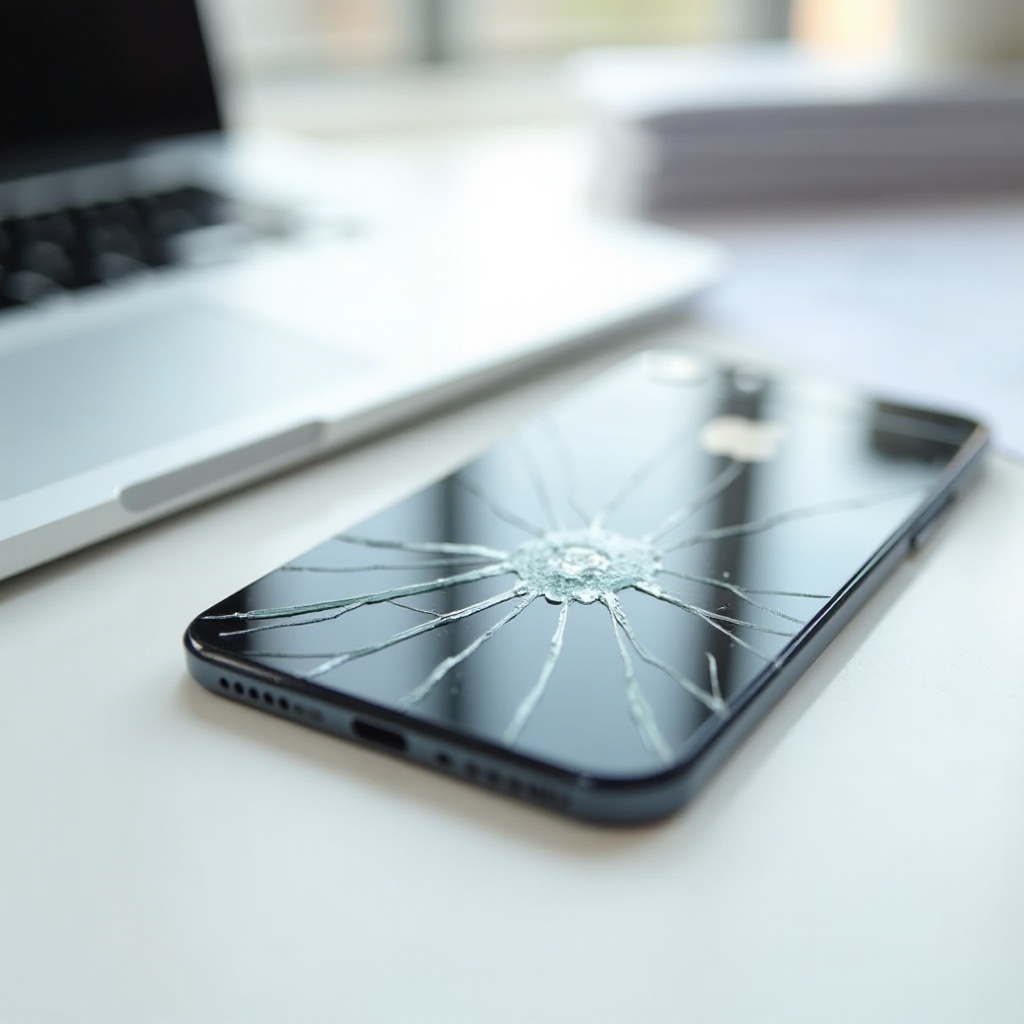
The Short Answer: When a Cracked Back Is Accepted and When It Is Not
A cracked iPhone back does not always kill a trade in. Acceptance depends on who you sell to, how severe the crack is, and whether a promo overrides normal rules.
- Apple: Often rejects iPhones with cracked back glass for trade in value and may offer free recycling instead. Some stores may still assess it in person, but expect a steep value hit if accepted.
- Carriers such as Verizon, AT&T, and T Mobile: Rules vary by promo. Standard trade ins may require no broken glass. Limited time any condition or broken OK promos often accept cracked backs if the phone powers on, is not bent, and has no missing parts.
- Big box, kiosks, and buyback sites: Many accept cracked backs at a lower damaged price. Kiosks commonly pay very little for cracked devices. Peer to peer marketplaces will accept anything if you disclose it.
Severity matters. Hairline cracks that do not spread across the surface tend to fare better than spiderweb shattering or missing chunks. Functionality matters too. If the device powers on, charges, connects, and Face ID works, your odds improve. This sets up the next section, where we look at why back glass damage triggers stricter grading in the first place.
Why Back Glass Damage Matters: Safety, Wireless Charging, Water Resistance, and Grading
Back glass damage is more than a cosmetic flaw. Graders care because cracks can affect safety, function, and refurbishability.
- Safety and handling: Sharp edges can cut handlers. Programs may refuse devices with exposed shards or missing glass.
- Structural integrity: Back glass helps maintain frame rigidity. A cracked back can signal deeper stress or bending.
- Wireless charging and MagSafe: Cracks can interfere with coil alignment or cause heat issues, especially if gaps collect debris.
- Water resistance: A crack can compromise seals. Even if the phone survived the damage, its IP rating no longer applies with confidence.
- Repairability: On many models, replacing back glass is labor intensive. The cost and time to refurbish your device push down offers.
Grading teams use tiers such as like new, good, fair, and damaged. Back glass cracks almost always push a device to damaged, which slashes value. Some buyers differentiate light cracks versus shattering. Others treat any crack as damaged. With that context, we can examine Apple trade in policies and what to expect.
Apple Trade In in 2026: Condition Tiers, What Is Accepted, and Typical Deductions
Apple focuses on devices they can refurbish or reuse efficiently. A cracked back usually lands your iPhone in damaged territory. Apple uses an online questionnaire to gather basics about screens and functions, but final grading happens after inspection. If the back is cracked, Apple may reduce the quoted amount or decline the trade and offer free recycling.
Key points:
– In store assessments can vary slightly by manager discretion, but Apple follows consistent criteria. Expect a conservative stance on cracked glass.
– If Apple accepts a cracked back device, the deduction can be steep versus a good unit. In many cases, Apple will not provide trade value and will only recycle the device.
– AppleCare Plus with accidental damage can reduce your cost to repair the back before trading, but you must complete the repair first. Apple will not net that cost against trade value.
– Online quotes are not final. If you mail in the phone and Apple downgrades it, you can usually request the device back rather than accept the lower or zero value.
If Apple is your preferred path and you have a cracked back, call ahead or visit a store to get a quick read. If you want more flexibility on damage, it is time to explore carriers.
Carrier Programs in the U.S.: Verizon, AT&T, and T Mobile Rules and Promo Gotchas
Carriers can be generous when a promo tells them to be. Standard, year round trade ins often require the phone to be in good working condition with no cracked glass. During big upgrade windows, carriers may run any condition or broken OK offers if the device powers on, has no swollen battery, and is not blacklisted.
What to watch:
– Fine print: Some promos accept cracked backs but exclude shattered screens, or the reverse. Others accept both as long as the phone turns on and activation lock is off.
– Promo structure: Carriers commonly pay via monthly bill credits spread over 24 to 36 months. If your phone gets regraded to ineligible after you mail it in, they can claw back credits.
– Inspection partners: Carriers outsource inspections. A store rep might accept your device, but the warehouse can later reduce the tier. Document your device condition to dispute regrades.
– Locked versus unlocked: You often must buy a new line, upgrade a line, or meet plan requirements. The trade in condition interacts with promo eligibility, so read the terms end to end.
If you plan to leverage a carrier promo with a cracked back, capture photos, back up your quote, and keep copies of the promotion details. If carrier rules do not fit your situation, the next section walks through other places to trade or sell.
Big Box, Kiosks, and Online Buyback Sites: Best Buy, ecoATM, Gazelle, Swappa, and More
Beyond Apple and carriers, you have plenty of options.
- Best Buy and other big box stores: Their trade in portals, often powered by partners, usually accept cracked backs at a reduced price. You will get a store gift card or instant credit.
- ecoATM kiosks: Convenient and fast but pay the least for damaged phones. They accept many cracked devices if they boot and are not reported lost or stolen.
- Online buyback sites such as Gazelle, Decluttr, ItsWorthMore, and BuyBackWorld: Most accept cracked back iPhones and offer instant online quotes. Be honest about damage to avoid regrades after inspection.
- Peer to peer marketplaces such as Swappa, eBay, and Facebook Marketplace: You set the price and disclose the crack. Expect higher net value than kiosks if you write a clear listing and provide strong photos.
Each choice trades convenience for value. Kiosks pay quickly but lightly. Marketplaces take more effort and carry fraud risk, but they can return more cash. With lanes in mind, you can now estimate how much the crack will cost you in real dollars.
What Your iPhone Might Be Worth with a Cracked Back: Realistic Value Ranges
A cracked back cuts value. The drop depends on model, storage, carrier locks, battery health, and crack severity. As a rule of thumb:
- Light hairline crack with perfect function: Expect a 15 to 35 percent deduction versus the same phone in good condition.
- Spiderweb cracks across most of the back: Expect a 35 to 60 percent deduction.
- Missing glass, exposed internals, or bent frame: Expect a 60 to 100 percent deduction; some buyers will refuse it.
Promotions can override these ranges. A carrier any condition upgrade might deliver near top bill credits even with a cracked back. Kiosks tend to land at the low end of value, while peer to peer sales may beat buyback sites if you present the device well.
Tips to maximize value:
– Disclose the crack accurately to avoid regrades.
– Clean the phone and remove the case so graders see the true condition.
– Capture clear photos against a light background.
With the value picture in mind, the next decision is tactical: repair the back first or trade the phone as is.
Repair First or Trade As Is: Break Even Math, Costs, and Timing
Repair can lift your device from damaged to good, but only if the cost is less than the value boost. Run the numbers step by step.
1) Get three quotes:
– Trade in value as is with the cracked back.
– Trade in value if repaired; ask the buyer for the good condition value.
– Back glass repair cost from Apple, an authorized provider, and a reputable independent.
2) Compare the gap:
– If repair cost is lower than the value increase, repair first.
– If repair cost is higher than the value increase, trade as is.
3) Factor risks:
– Non genuine parts can trigger unknown part notices or reduce value with certain buyers.
– If a repair reveals deeper damage such as a bent frame or camera misalignment, costs can rise.
4) Time it:
– Big promos around new iPhone launches can beat any repair then trade strategy.
– If you have AppleCare Plus or carrier insurance, your back glass repair deductible may be low enough to swing the math.
Always confirm repair pricing before you commit. Ask whether calibration is required and if water resistance is impacted. With a decision in hand, the model of your phone also plays a role, because repair difficulty varies by generation.
Model Notes: iPhone 12 to 15 and 15 Pro Back Glass Design and Repairability Impacts
Repair difficulty varies by generation, which affects trade in outcomes and what refurbishers offer.
- iPhone 12 and 13 families: Back glass replacement can be labor intensive on many models because adhesive and frame integration add time and skill.
- iPhone 14 standard models: Apple updated the internal structure to make back glass removal easier on certain models, which can reduce repair complexity.
- iPhone 15 and 15 Pro series: Apple expanded the easier to service rear design. That change can lower repair effort and cost compared with older Pro models.
Why this matters: Buyers think in refurbishability terms. Easier repairs can increase what refurbishers will pay for a cracked device. Older models with difficult back glass jobs may see deeper deductions. If your model sits in the easier repair group, a repair then trade path might deliver a better net result. Either way, the next step is to prepare the phone to reduce surprises and protect your value.
Prep Checklist: Back Up, Turn Off Find My, Erase, Clean, Photograph, and Accessory Tips
Preparation reduces regrades and speeds up payment. Use this checklist before you hand off the device.
- Back up: Use iCloud or a computer. Confirm your last backup.
- Sign out: In Settings, sign out of your Apple ID and turn off Find My.
- Erase: Reset to factory settings. Remove any screen passcode and Face ID or Touch ID.
- eSIM or SIM: Transfer your eSIM to the new phone or remove your physical SIM.
- Clean: Wipe the phone gently to remove fingerprints and dust. Do not cut yourself on shards.
- Photograph: Take clear, well lit photos of the front, back, corners, ports, and the crack. Include a powered on shot with the IMEI screen to prove functionality.
- Accessories: Bring the phone only unless the buyer pays more for extras. Keep your case and cable unless needed for a better offer.
- Box and ship: If mailing, use rigid packaging, padding, and tracked shipping. Keep the tracking number and add insurance if the buyer does not provide it.
With your device prepped, choose how you will hand it off, either in person or by mail. Each path has trade offs that can change your net result.
In Store vs Mail In Trade Ins: Speed, Regrades, Returns, and How to Protect Yourself
Both paths work, but they carry different risks and benefits.
- In store:
- Pros: Immediate inspection and valuation, instant credit, fewer surprises.
-
Cons: Local staff must follow policy; if cracked backs are not accepted, you will be declined on the spot.
-
Mail in:
- Pros: Access to more buyers and online promos, simple shipping kits.
- Cons: Regrades after inspection, delays in payment, possible disputes.
Protect yourself on either route:
– Get the quote in writing or save screenshots.
– Photograph the device and the packing process.
– Record the IMEI or serial number and note battery health.
– Read return policies. If the buyer regrades, know whether you can request a free return.
If things go sideways, you still have options to recover value. The next section shows how to pivot without losing control of the process.
If Your Trade In Is Denied or Regraded: Disputes, Returns, Self Sell, or Recycle
A downgrade does not end your upgrade plan. Take these steps to keep leverage and protect value.
- Ask for details: Request specific reasons, damage photos, and the new valuation.
- Dispute with evidence: Share your pre shipment photos and IMEI screenshots if the condition differs from the claim.
- Request return: If the new offer is too low, ask for your phone back. Most reputable buyers will return devices at no cost or minimal cost.
- Try alternatives: List on Swappa or eBay with honest photos, or get a kiosk quote for quick cash.
- Consider repair: If one buyer rejects it due to severity, repairing the back may unlock better offers with others.
- Recycle responsibly: If value is near zero or the device is unsafe, use certified e waste recycling or an Apple store take back.
If you used a carrier promo and fear a clawback, escalate early with documentation. Keep all emails and screenshots to support your case. Once you have a plan, you can wrap up with a clear checklist of actions.
Conclusion
You can often trade in an iPhone with a cracked back, but the best path depends on who buys it and how bad the damage is. Apple leans strict. Carriers can be generous during any condition promos. Kiosks say yes but pay less. Buyback sites and peer to peer markets bridge the gap.
Run the numbers: compare as is value, repair cost, and repaired value. Prep your device, disclose the crack, and document everything. Choose in store for certainty or mail in for broader offers. If a buyer regrades the phone, ask for a return and try another lane. With a little planning, you can turn a cracked back into real upgrade value without unwanted surprises.
Frequently Asked Questions
Will Apple accept an iPhone trade in with a cracked back if everything else works?
Apple often declines trade in value for iPhones with cracked back glass and may offer free recycling instead. Some stores will still evaluate the device, but expect a steep downgrade if they accept it at all. If you have AppleCare Plus and use an accidental damage repair, you can fix the back first and then trade it in as good condition. Call ahead or visit a store to confirm before you rely on Apple for trade in value.
Is it cheaper to repair the cracked back or to trade in the phone as is?
Do the math. Get three numbers: your as is trade in offer, your good condition offer, and your repair cost. If the repair cost is lower than the value increase, repair first. If not, trade as is. Factor risk: non genuine parts may reduce trade value with some buyers. Strong carrier promos for any condition can beat a repair then trade approach even if the crack is severe.
Do carrier promo bill credits get clawed back if my device is regraded after I mail it in?
They can. Many carrier promos spread value over 24 to 36 months. If the inspection partner decides your device is ineligible or worth less than the quoted tier, the carrier may reduce or stop bill credits. Protect yourself by saving the promo terms, getting the quote in writing, photographing your phone, and keeping shipment proof. If a regrade happens, dispute it promptly and request a device return if needed.