
Introduction
Smartphones continue to redefine how we interact with technology, and phones with projection capabilities are leading this innovative trend. These devices transform your mobile experience by projecting images and videos onto any surface, turning any space into your personal theater. This blog delves into the world of projection phones, covering their features, advantages, and future potential.
What is a Phone with Projection?
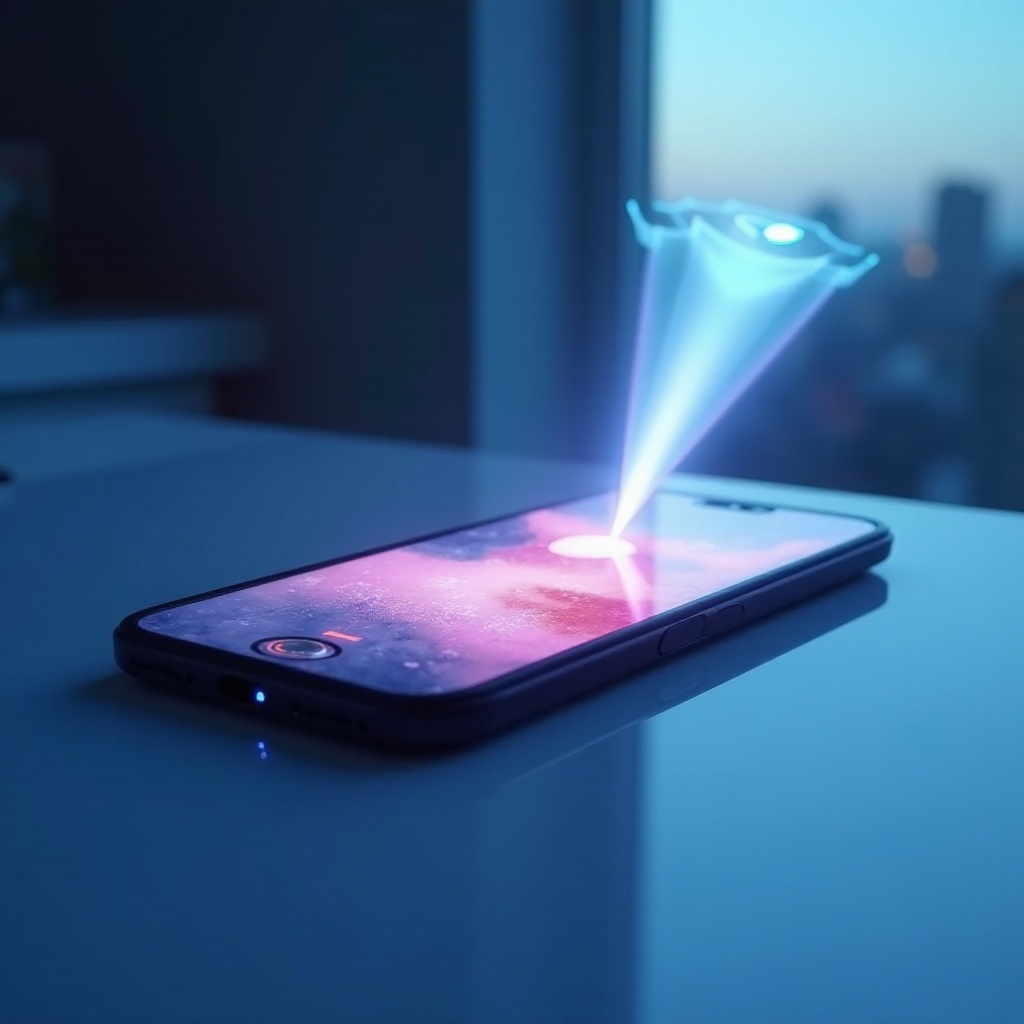
Phones with projection seamlessly integrate mini projectors, allowing users to cast images and videos onto larger surfaces, effectively expanding the scope of how we use our devices.
Understanding Projection Technology in Phones
Projection technology in phones typically uses advanced light-emitting components such as DLP (Digital Light Processing) or LCoS (Liquid Crystal on Silicon). These components focus light through a small lens, enabling a portable cinema-like experience wherever you are.
Types of Projection Used in Modern Smartphones
- DLP (Digital Light Processing): Known for vivid color reproduction, these projectors excel in media consumption scenarios.
- LCoS (Liquid Crystal on Silicon): Offering superior resolution and image sharpness, these projectors are ideal for business and educational presentations.
By understanding these technologies, consumers can better appreciate how projection phones redefine mobile interactivity, especially in enhancing visual experiences.
Benefits of Using Phones with Projection
Having a phone that can project content offers several unique benefits that enhance both professional and personal experiences.
Enhanced Viewing Experience for Media and Presentations
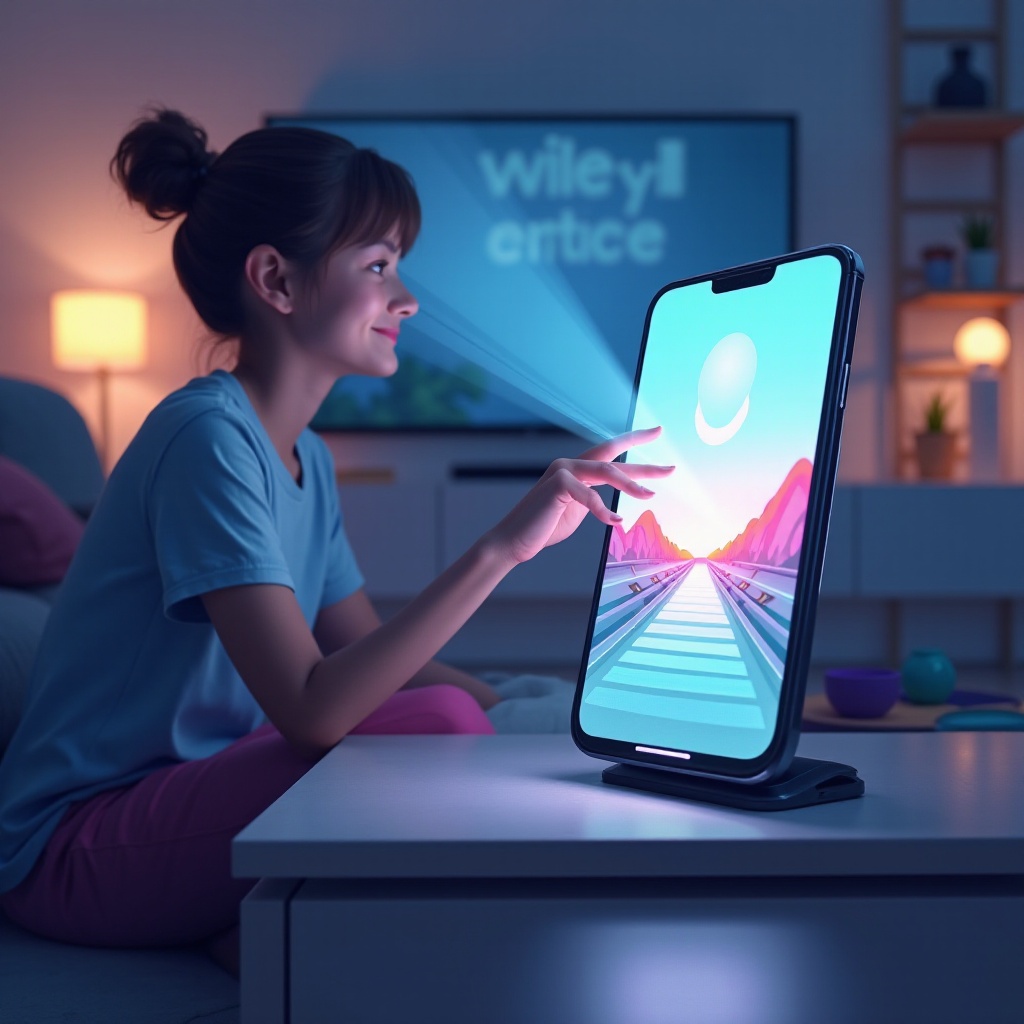
Projection phones transform ordinary environments into immersive viewing spaces. With the capacity to project up to 100 inches, these devices are perfect for watching movies or delivering impactful presentations, enriching the visual experience.
Versatility for Business, Education, and Personal Use
- Business: Easily conduct presentations and pitches without the need for cumbersome laptops or projectors.
- Education: Teachers and students can share learning materials more interactively, breaking traditional classroom barriers.
- Personal: Whether watching videos or showcasing photos, projection capabilities add a social dimension to everyday activities.
The versatility of projection phones underscores their value across different sectors, highlighting their role as tools of convenience and engagement.
Top Phones with Projection in 2024
As we look into 2024, several brands have excelled in integrating projection technology, offering top-performing models.
Brand 1: Specifications and Features
- Model A: Renowned for its high brightness and extended battery life, this model is ideal for frequent projection users who prioritize seamless functionality.
Brand 2: Specifications and Features
- Model B: Offers seamless integration with smart ecosystems and delivers high-resolution projective capability, perfect for tech enthusiasts who want an all-in-one device.
Brand 3: Specifications and Features
- Model C: Combines affordability with solid performance. It provides durability and user-friendly interfaces, making it accessible to a broad audience.
These models showcase different strengths, providing consumers with a variety of choices tailored to specific needs and preferences.
User Experience and Performance Insights
User experience is a critical aspect that determines the actual value of a phone with projection technology.
Real-World Performance Tests
Performance tests highlight the capacity of modern projection phones to deliver sharp and bright images in varied lighting situations. Users value the adjustable projection size and focus features, which personalize the viewing experience.
Feedback from Early Adopters
Feedback from early users emphasizes the convenience these phones offer. Business users appreciate the ease of conducting presentations, while movie and gaming fans enjoy the expanded viewing surface, enhancing their digital interactions.
The increasing acceptance and positive user testimonials reflect the growing trust and reliance on projection phones, predicting widespread adoption.
Challenges and Future Prospects
Despite their appeal, projection phones face certain challenges that manufacturers are working to overcome.
Current Limitations in Projection Technology
- Battery Life: Projection features can drain battery quickly, necessitating efficient power solutions.
- Brightness: Projection quality can suffer in well-lit environments, prompting the need for improvements in projector lens technology.
Innovations and Potential Developments
Future innovations may focus on enhancing battery efficiency and improving projection brightness. As research and development continue, these advancements promise to refine the technology, making it more accessible and reliable.
Overcoming these challenges will propel projection phones to new heights, ensuring their place in future mobile technology landscapes.
Conclusion
Phones with projection features open up a world of possibilities, offering a blend of entertainment and practicality that transforms the ordinary into the extraordinary. Understanding their benefits and challenges allows consumers to make informed decisions about engaging with this pioneering technology.
Frequently Asked Questions
How do projection phones differ from regular smartphones?
Projection phones have built-in projectors, allowing content to be displayed on larger surfaces without the need for external devices.
Are projection phones worth the investment in 2024?
Yes, if you value a versatile device for large-format media viewing and frequent presentations, they provide significant advantages.
What should I consider when buying a phone with projection?
Key factors include projection brightness and resolution, battery life, and compatibility with your specific needs, whether for business, education, or personal use.