
Introduction
Many iPhone users still feel unsure about voicemail. You might wonder how to send a voicemail from iPhone, how to share one you already have, or whether an audio message is the same thing. The good news: your iPhone gives you several simple ways to send voice messages, and you can master them all in a short time.
This guide walks you through every method step by step. You will learn how to set up voicemail, leave someone a voicemail, forward a voicemail as an audio file, and send voicemail‑style clips using Messages, Voice Memos, and popular chat apps. You will also see how Live Voicemail works on iOS 17 and what to do if voicemail stops working.
We will start by clarifying the different types of voice communication on iPhone. That way, when we move into setup, calling, and sharing, you will always know exactly which feature you are using and why.
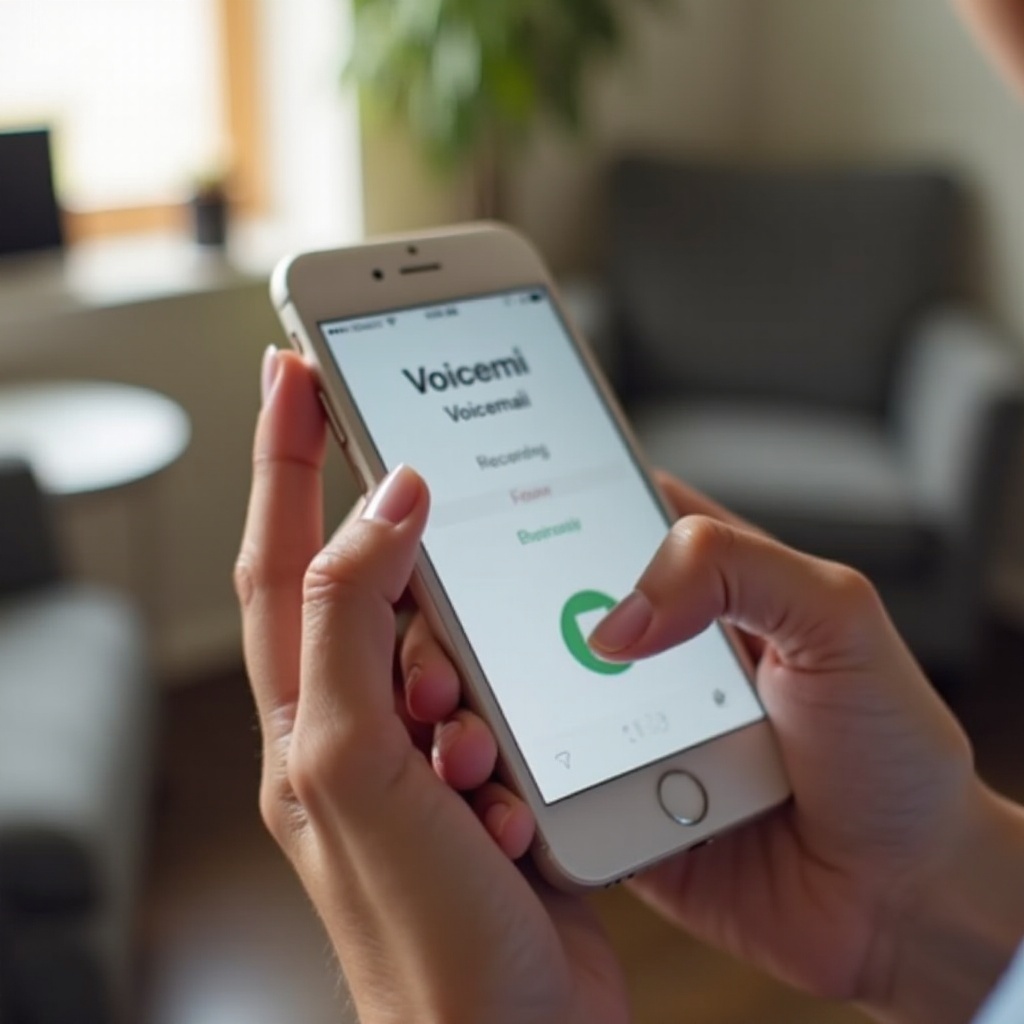
What ‘Sending a Voicemail from iPhone’ Actually Means
When people search for how to send a voicemail from iPhone, they often mean different things. Sometimes they want to call someone and leave a regular voicemail. Other times they want to forward a voicemail they received to another person. Some even mean sending a quick audio message in Messages and calling it voicemail.
To avoid confusion, it helps to separate the main options your iPhone offers and be clear about what each one does.
Voicemail vs Audio Message vs Voice Memo
On an iPhone, you can send voice in three main ways:
- Voicemail
- This is the classic voicemail that sits on someone’s phone line.
- You call, they do not answer, and their carrier records your message.
-
They access it in their Phone app or by calling their voicemail number.
-
Audio message (Messages app)
- This is a short voice clip sent through the Messages app.
- It goes over data or Wi‑Fi, not through the carrier voicemail system.
-
The recipient sees it in a text thread and taps to play.
-
Voice memo (Voice Memos app)
- This is a recorded audio file you can share in many different apps.
- It works well for longer, higher‑quality messages.
- You control where it goes: Messages, Mail, Files, cloud storage, and more.
When to Use Each Type of Voice Communication
Choose the method based on what you need:
- Use traditional voicemail when:
- You want to reach someone on their phone number only.
- You are not sure which messaging apps they use.
- You do not need to send a file, just a simple voice message.
- Use audio messages when:
- You already text with the person in Messages.
- You want quick, back‑and‑forth voice chats.
- You prefer not to clutter their voicemail inbox.
- Use voice memos when:
- The message is long or important.
- You need a file to save, forward, or archive.
- You want better audio quality and more control.
Requirements: iPhone Model, iOS 17, and Carrier Support
Before you dive in, check a few basics so you know which voicemail features your device can use:
- iPhone model: Most features work on any reasonably recent iPhone. Very old devices may not support Live Voicemail or the latest voicemail interface.
- iOS version: Update to iOS 17 or later for the newest voicemail and Live Voicemail features.
- Carrier support:
- Visual Voicemail and Live Voicemail depend on your carrier.
- Some carriers show only a basic ‘Call Voicemail’ option.
Once you understand the different types of voice messages and what your device supports, you are ready to set up voicemail so you can start sending and receiving messages the standard way.
Setting Up Voicemail on Your iPhone for the First Time
Before you can send or forward voicemails, your iPhone voicemail must be active and properly set up. This ensures people can leave you messages and that the Phone app can store and manage them.
A clean setup also prevents many common voicemail errors that show up later, so it is worth doing this carefully once.
Checking That Your Carrier Voicemail Service Is Active
First, make sure your carrier has voicemail enabled on your line:
- Confirm your SIM or eSIM is active and you can place calls.
- Open your carrier app or log in to your account and check that voicemail is part of your plan.
- If you are not sure, call customer support and ask them to confirm voicemail and Visual Voicemail.
If voicemail is not active on the carrier side, the iPhone setup steps will not work correctly and you may see errors in the Voicemail tab.
How to Set Up Voicemail in the Phone App
Once your carrier has voicemail ready, set it up on your iPhone:
- Open the Phone app.
- Tap the Voicemail tab at the bottom right.
- If prompted, tap Set Up Now.
- Create a voicemail password, then tap Done.
- Re‑enter the password to confirm and tap Done again.
If you see a screen that tells you to ‘Call Voicemail’, your carrier may not support Visual Voicemail. In that case, you will manage voicemail through a phone call rather than the on‑screen inbox.
Recording a Professional or Personal Voicemail Greeting
Next, record a greeting so callers know they reached the right person:
- In the Voicemail tab, tap Greeting.
- Choose Custom.
- Tap Record, speak your greeting, then tap Stop.
- Tap Play to listen.
- Tap Save when you are happy with it.
You can use a more professional tone for work or a casual tone for friends. You can change the greeting any time, which is useful if your role or number changes.
Testing That Your Voicemail Is Working Properly
Finally, test your setup to avoid surprises later:
- Use another phone to call your iPhone number.
- Do not answer. Let the call go to voicemail.
- Leave a short test message.
- On your iPhone, open Phone > Voicemail and check for the new message.
- Play it to confirm the audio is clear and the timestamp looks correct.
Once voicemail is working, you can start sending voicemails by calling people. This is the standard method most users expect and the one that connects directly to the other person’s phone line.
The Standard Way to Send a Voicemail by Calling Someone
The most direct answer to how to send a voicemail from iPhone is simple: call the person and let the call go to voicemail. This is how you leave a traditional voicemail that appears in their voicemail inbox.
When you use this method, your message is stored by their carrier, not by a separate app, so they can access it the same way they access all of their other voicemails.
Placing a Call and Reaching the Voicemail Greeting
To send a voicemail:
- Open the Phone app.
- Tap Contacts or Recents, or use the Keypad to dial a number.
- Tap the contact or number to call.
- If they do not answer, wait while the ringing stops.
- Their voicemail greeting will start. Listen until you hear the beep.
As soon as you hear the beep, you can start speaking. You are now recording a voicemail message that will be saved to their carrier voicemail inbox.
Leaving a Clear, Effective Voicemail Message
A good voicemail is short and clear. Use this simple structure:
- Introduce yourself: ‘Hi, this is Alex.
- State your reason for calling: ‘I am calling to confirm our meeting.
- Give key details: ‘It is at 3 p.m. on Thursday at your office.
- Ask for an action: ‘Please call or text me back if you need to reschedule.
- Leave a callback number if needed: ‘You can reach me at 555‑123‑4567.
- Close politely: ‘Thanks, talk soon.
Try to keep the message under a minute unless the situation truly needs more detail. Shorter messages are easier to listen to and less likely to be skipped.
Tips for When Calls Are Declined or Go Straight to Voicemail
Sometimes your call goes straight to voicemail, or the person taps Decline. That is normal. You can still leave a message:
- Wait for the greeting and the beep, then leave your voicemail as usual.
- If you have urgent news, mention that clearly but calmly at the start.
- If they decline more than once, consider sending a text or audio message instead.
After you master basic voicemail, the next step is sharing and forwarding the voicemails that arrive on your own iPhone, which is often what people mean when they want to ‘send’ a voicemail to someone else.

How to Send an Existing Voicemail from Your iPhone (Forward or Share)
Your iPhone lets you forward voicemails you have received. This is useful when you want to share a message with family, colleagues, or support teams without re‑recording anything.
Forwarded voicemails travel as audio files, so the recipient can replay them, save them, or attach them to other messages as needed.
Finding and Selecting a Saved Voicemail in the Phone App
To locate a voicemail you want to send:
- Open the Phone app.
- Tap the Voicemail tab.
- Scroll through your voicemail list to find the message.
- Tap the voicemail to expand it.
- Tap the Play button to confirm it is the right one.
You will see a Share icon (a square with an arrow pointing up) if your carrier supports forwarding from the Voicemail screen.
Sharing a Voicemail via Messages, Mail, or AirDrop
To send the voicemail to someone else:
- With the voicemail open, tap the Share icon.
- Choose how you want to send it:
- Messages to send as an audio attachment in a text.
- Mail to email an audio file.
- AirDrop to send directly to a nearby Apple device.
- Select the recipient and add any text you want.
- Tap Send.
The voicemail is sent as an audio file, usually in .m4a format, which most modern devices can play with no extra apps.
Saving Voicemails to Files or Cloud Storage
You can also save voicemails for backup or documentation:
- In the Share sheet, tap Save to Files.
- Choose a folder on your iPhone or in iCloud Drive.
- Tap Save.
Later, you can share that file from the Files app to other apps, upload it to cloud services, or store it for long‑term records, which is handy for legal or business reasons.
Limits on File Size, Format, and Recipients
Keep in mind:
- Very long voicemails may be large and harder to send by email or messaging.
- Some older or non‑smartphone devices may not support the audio format by default.
- If Messages compresses the file, quality might drop slightly, but it usually remains clear enough.
If you want faster, more conversational voice messages, audio messages in the Messages app are often the better option, especially when you already have an active text conversation.
Using Audio Messages as a Voicemail Alternative in Messages (iMessage)
Audio messages in the Messages app feel like voicemail but are faster and more flexible. They work well when you already chat with someone by text and want to send quick voice clips without using their carrier voicemail.
These messages stay inside the conversation thread, so both of you can see the context and scroll back later.
How to Record and Send an Audio Message in Messages
To send an audio message:
- Open the Messages app.
- Tap an existing conversation or start a new one.
- In iOS 17, tap the + button next to the text field.
- Tap Audio.
- Press the record button and start speaking.
- Tap Stop when you are done.
- Tap Send (arrow icon) to send the recording.
The recipient will see an audio bubble. They tap it to play your message and can reply with their own voice clip or text.
Changing Audio Message Expiration Settings
By default, audio messages can expire after a short time to save space. To keep them longer:
- Open Settings.
- Tap Messages.
- Scroll to Audio Messages.
- Tap Expire and choose Never or After 2 Minutes.
If you choose Never, remember to delete old audio messages sometimes to free storage, especially if you send many long clips.
When Audio Messages Are Better Than Traditional Voicemail
Use audio messages instead of voicemail when:
- You both use iPhones and text often.
- You want quick back‑and‑forth voice chats.
- You prefer to keep everything in one text thread.
- You do not want to risk a full voicemail inbox on the other side.
If you need longer, higher‑quality recordings, or want to send voice through many different apps, Voice Memos and third‑party apps offer even more flexibility and control.
Sending ‘Voicemail‑Style’ Messages with Voice Memos and Third‑Party Apps
Voice Memos and messaging apps like WhatsApp and Telegram let you send rich, voicemail‑style messages with more control over length, quality, and sharing. These options are perfect when you want a message you can save, forward, and reuse.
They are not carrier voicemail, but for many people they replace it in day‑to‑day communication.
Recording a Voice Memo and Sharing It Like a Voicemail
To create a voice memo:
- Open the Voice Memos app.
- Tap the red record button to start recording.
- Speak clearly into your iPhone microphone.
- Tap the red button again to stop.
- Tap the recording to rename it so you can find it later.
To share the memo:
- Tap the recording.
- Tap the Share icon.
- Choose Messages, Mail, or another app.
- Select a recipient and tap Send.
This works like sending a voicemail file, but with more control over the recording process and where the file ends up.
Sending Voice Notes in WhatsApp, Telegram, and Other Apps
Many chat apps include built‑in voice note features:
- WhatsApp:
- Open a chat.
- Tap and hold the microphone icon next to the text field.
- Speak, then release to send.
- Telegram:
- Open a chat.
- Tap and hold the microphone icon.
- Release to send when you finish.
These voice notes behave like voicemail inside each app but do not use the carrier voicemail system. They are handy when you and the other person already rely on one of these apps.
Choosing the Best App for Personal vs Work Communication
For personal use:
- Messages, WhatsApp, Telegram, and Voice Memos all work well.
- Choose the app your friends or family use most so they notice your message quickly.
For work:
- Check company policy on apps and data storage.
- Email plus attached voice memos can be safer and easier to archive.
- Some teams use collaboration tools with built‑in voice messaging, which can replace voicemail for internal communication.
Now that you know how to send voice through multiple channels, let’s look at how Live Voicemail on iOS 17 affects sending and receiving messages and how it changes the way you handle incoming calls.
Live Voicemail in iOS 17: How It Changes Sending and Receiving Voicemails
Live Voicemail is a feature in iOS 17 that shows a live transcription of the voicemail a caller is leaving. You see their words on your screen in real time, and you can decide whether to answer.
This does not change how you send voicemails from your iPhone, but it does change how you respond to calls and how you manage the messages you receive.
What Live Voicemail Is and How It Works on iPhone
When someone calls you and you do not pick up:
- Your iPhone sends the call to voicemail.
- As the caller leaves a message, your iPhone transcribes it live.
- You see the text on your lock screen or in the Phone interface.
- You can pick up the call while the person is still speaking if you decide it is important.
The voicemail still saves as a normal voicemail once the caller hangs up, so you can listen later if you prefer.
Turning Live Voicemail On or Off in Settings
To manage Live Voicemail:
- Open Settings.
- Tap Phone.
- Tap Live Voicemail.
- Toggle Live Voicemail on or off.
If you do not want live transcriptions or prefer a simpler experience, turn it off. Your voicemail will still work normally and callers will not notice a difference.
Screening Calls and Deciding Whether to Answer in Real Time
Live Voicemail helps you:
- Screen unknown numbers and potential spam calls.
- Decide if a call is urgent before answering.
- Avoid junk calls that do not leave useful messages.
Even with Live Voicemail active, you may run into issues with voicemail itself. The next section covers how to fix the most common problems so you can keep sending and receiving messages without interruptions.
Troubleshooting Common iPhone Voicemail Problems
Voicemail can sometimes stop working or act strangely. Knowing how to fix common issues will save you time and frustration and keep your calls and messages flowing smoothly.
Most problems fall into a few categories: missing Voicemail options, callers unable to leave messages, sharing failures, or storage errors.
Voicemail Tab Missing or Showing ‘Voicemail Unavailable’
If your Voicemail tab says ‘Voicemail Unavailable’ or is missing options:
- Make sure you have a good cellular signal.
- Turn Airplane Mode on, wait a few seconds, then turn it off.
- Restart your iPhone.
- Go to Settings > General > Software Update and install any updates.
If the problem persists, contact your carrier. They may need to reset voicemail on their end or update your line settings.
Callers Say They Can’t Leave You a Voicemail
If people tell you they cannot leave messages:
- Check if your voicemail inbox is full. Delete old messages and clear Deleted Messages.
- Make sure Call Forwarding is off if you do not need it.
- Disable Silence Unknown Callers if you think it is blocking important calls.
If that does not help, ask your carrier to check for blocks or configuration problems with your voicemail box.
Can’t Share or Send Voicemail Recordings from iPhone
If the Share icon is missing or does not work:
- Confirm your carrier supports Visual Voicemail. Some only allow basic voicemail with no file sharing.
- Check your network connection (Wi‑Fi or cellular) and try again.
- Restart your iPhone and reopen the Phone app.
- Ensure you are not restricted by Screen Time or device management profiles if this is a work phone.
In some regions or with some carriers, forwarding voicemails may simply not be available. In that case, you can play the voicemail on speaker and record it using Voice Memos as a workaround.
Voicemail Inbox Is Full Even After Deleting Messages
If your voicemail says it is full:
- Delete old voicemails in the Phone > Voicemail tab.
- Scroll to the bottom and tap Deleted Messages.
- Tap Clear All to remove them permanently.
- Restart your phone and test again by leaving yourself a new message.
If the issue remains, your carrier may need to reset your mailbox storage or increase your voicemail capacity.
When to Contact Your Carrier vs Apple Support
Use this rule of thumb:
- Contact your carrier for issues with voicemail activation, storage limits, missing messages, or anything that affects your phone number directly.
- Contact Apple Support for problems with the Phone app, iOS bugs, or system errors that appear after an update.
Once your voicemail is stable and reliable, you can focus on using it well with good etiquette and clear communication that respects the other person’s time.
Best Practices and Etiquette for Sending Voicemails from iPhone
How you send a voicemail matters almost as much as the tools you use. Good etiquette makes your messages easier to act on and more pleasant to receive, which increases the chances of a quick response.
Thinking about length, clarity, and the right communication channel helps you send better voicemails every time.
How Long Your Voicemail Should Be
Keep most voicemails:
- Between 20 and 45 seconds for everyday matters.
- Under 90 seconds even for complex issues.
Shorter messages respect the listener’s time and are easier to replay if needed. If you have a lot to explain, you can say you will follow up with a text or email with details.
What to Say (and Avoid) in a Voicemail
Do:
- Introduce yourself clearly and early in the message.
- Explain your reason for calling in one or two sentences.
- Give any key details once, slowly.
- Leave a callback number if you are not sure they have it saved.
Avoid:
- Sharing sensitive information like passwords or full ID numbers.
- Speaking too fast or in a noisy place where you are hard to hear.
- Leaving multiple long messages in a row unless it is an emergency.
Deciding Between Call, Text, Email, or Voicemail
Choose the right channel based on urgency and detail:
- Call + voicemail: For urgent or personal matters, or when you need tone of voice to come through.
- Text or audio message: For quick updates, simple questions, or informal chats.
- Email: For detailed, documented information, especially at work or for agreements.
Using the right tool for each situation makes your communication smoother and more effective, and helps the other person respond in a way that works for both of you.
Conclusion
You now know several clear ways to send a voicemail from iPhone. You can leave traditional voicemails by calling and waiting for the beep, forward existing voicemails as audio files, send quick audio messages in the Messages app, and create longer, higher‑quality messages with Voice Memos and third‑party apps. You also understand how Live Voicemail in iOS 17 changes the way you receive messages, and what to do when voicemail stops working as expected.
If you follow the steps and best practices in this guide, you will be able to choose the right kind of voice message for each situation, keep your inbox under control, and communicate more clearly. Whether you use voicemail for work, family, or both, your iPhone has the tools ready. Now you have the knowledge to use them with confidence every day.
Frequently Asked Questions
Why can’t I see the option to share or forward a voicemail on my iPhone?
The Share icon depends on your carrier and Visual Voicemail support. If your voicemail is basic and shows only a ‘Call Voicemail’ option, you may not be able to forward messages from the Phone app. Update iOS, restart your iPhone, and check your carrier’s support page. If forwarding is not available, you can still play the voicemail on speaker and record it with Voice Memos, then send that recording as a file.
How do I send a voicemail from iPhone to an Android user?
You cannot place a voicemail directly into an Android user’s voicemail inbox from your iPhone. However, you can still send them your message as an audio file. Forward a voicemail using the Share icon in the Phone app and send it by SMS/MMS, email, or chat apps. You can also record a Voice Memo or audio message and send it through apps you both use, like WhatsApp, Telegram, or email.
Does sending or receiving voicemails on iPhone use my data or minutes?
Traditional voicemail usually uses your call minutes because it is part of your carrier’s phone service. Visual Voicemail and Live Voicemail can use mobile data to download and transcribe messages. Audio messages in the Messages app, Voice Memos shared by apps, and voice notes in third‑party apps use mobile data or Wi‑Fi, not call minutes. If you have a limited plan, check with your carrier for exact details on how voicemail and data are billed.