
Introduction
Can you trade in broken iPhones, or are they basically worthless once the screen cracks or the battery fails? Many iPhone owners assume the second their device breaks, its value drops to zero. That belief causes a lot of people to throw damaged phones in drawers instead of getting money for them.
A broken iPhone can still be worth real cash or credit. Apple, carriers, retailers, and specialist buyback sites all pay something for damaged devices, as long as they meet some basic requirements. The key is to understand how each option treats broken phones, what kinds of damage they accept, and how to prepare your device so you get the best possible offer.
This guide explains how companies define a ‘broken’ iPhone in 2024, how Apple, carriers, and third parties handle trade‑ins, when it makes sense to repair a device first, and what to do if your phone is too far gone to trade in. By the end, you will know exactly which route is best for your damaged iPhone and how to avoid leaving money on the table when you upgrade.
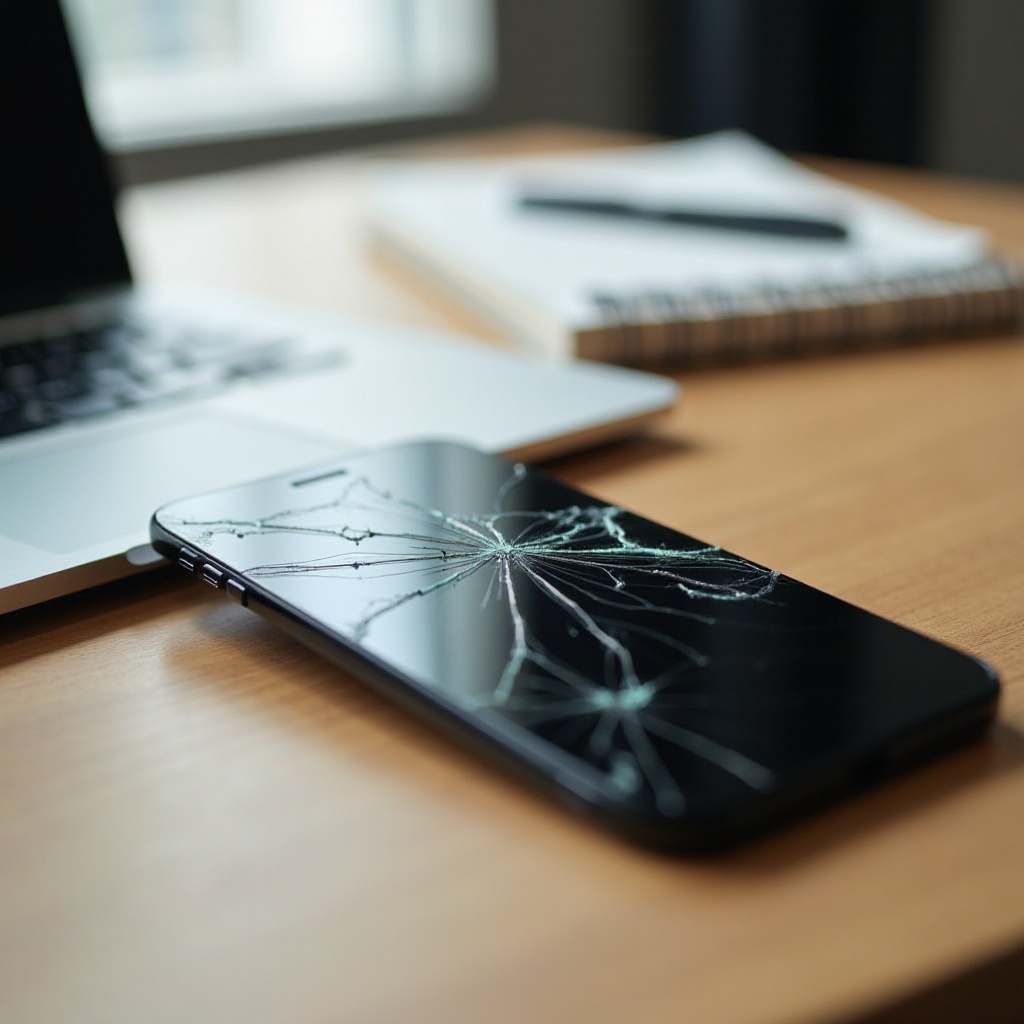
What Counts as a ‘Broken’ iPhone in 2024?
Before you can decide where to trade in your device, you need to understand what ‘broken’ actually means in the trade‑in world. Your idea of broken might be far harsher than a buyer’s view. Many trade‑in programs use several condition levels, and ‘broken’ is just one of them.
Knowing where your phone sits on that scale helps you answer the key question: can you trade in broken iPhones and still get a fair value? Often, the answer is yes, especially if the phone still powers on and can complete basic tasks.
Cosmetic vs Functional vs Critical Damage
Most trade‑in providers group issues into three types of damage:
-
Cosmetic damage
This is surface‑level wear and tear. It includes minor scratches, scuffs, and small dents. The device still works perfectly. Cosmetic damage almost always reduces the value a bit but rarely blocks you from trading in the phone. -
Functional damage
The iPhone still powers on, but something does not work correctly. Examples include: - Cracked screen that still lights up and responds to touch
- Cracked back glass
- Degraded battery that drains quickly but still charges
- Stuck or unreliable buttons
- Distorted speakers or microphone issues
- Camera focus or sensor problems
Many programs still accept these iPhones but classify them as ‘damaged’ or ‘poor’ condition and reduce the offer.
- Critical damage
Critical damage affects core functionality to the point that normal use is impossible. Examples include: - Phone does not power on at all, even when charged
- Severe liquid damage with visible corrosion
- Major logic board failure
- Face ID or Touch ID failure caused by hardware damage
Critical damage often leads to very low offers or outright rejection. At this stage, parts or recycling may be more realistic than a standard trade‑in.
Common Types of iPhone Damage Buyers Still Accept
You can often trade in broken iPhones with these issues, as long as the phone is not blacklisted and can power on:
- Front screen cracks, if the display still lights up and touch still works
- Cracked or chipped back glass on newer models
- Noticeable cosmetic wear, including scuffs and dents
- A battery that drains fast but will still charge and turn the phone on
- Worn buttons or minor speaker problems that do not stop basic operation
While these issues will reduce the value, they usually do not disqualify the device from trade‑in programs.
When an iPhone Is Considered Beyond Repair
Some iPhones fall into a category that most regular trade‑in programs view as ‘beyond economical repair.’ Common signs include:
- The iPhone will not turn on or show any sign of life
- The frame is bent, twisted, or significantly separated
- Severe corrosion from liquid exposure, especially around ports
- The IMEI or serial number is blacklisted or reported lost or stolen
In these situations, standard trade‑in programs often say no or offer only a token amount. That does not mean the phone is useless, but it does shift you toward part‑out, recycling, or donation options.
Now that you have a clearer picture of what ‘broken’ means, you can look at how major players, starting with Apple, treat damaged iPhone trade‑ins.
Can You Trade In a Broken iPhone with Apple?
Apple is one of the most popular places for iPhone owners to trade in their devices during an upgrade. The big question is whether Apple will accept broken iPhones and, if so, how much it will pay.
The good news is that Apple does accept many damaged devices as trade‑ins in 2024. The amount you get depends on the model and the type of damage. However, Apple also has clear limits, and some issues will push your device into ‘recycle only’ territory.
Apple’s 2024 Trade‑In Requirements for Damaged iPhones
Apple’s basic trade‑in rules are simple. The device must belong to you, must not be locked to a lost or stolen status, and generally must turn on so Apple can test it.
Key requirements include:
- The iPhone should power on and reach the home or lock screen
- ‘Find My iPhone’ must be turned off before trade‑in
- You must sign out of your Apple ID account
- The phone must not be reported lost, stolen, or blocked by the carrier
You can trade in your iPhone online or in an Apple Store. Online, Apple gives you an estimated value based on your answers and then sends you a shipping kit. After inspection, Apple confirms or adjusts the quote. In‑store, staff examine the phone in front of you and make an offer on the spot.
Types of Damage That Apple Usually Accepts
Apple often accepts iPhones with moderate damage, including:
- Cracked or chipped screens that still display and respond to touch
- Cracked back glass on recent models
- Cosmetic wear such as scratches and dents
- Batteries that are weak but still able to power the device
In these cases, Apple will reduce the value compared to a flawless device, but you still receive meaningful credit toward a new iPhone or an Apple Store gift card. For many users, the convenience and trust factor make this option appealing.
When Apple Will Refuse a Broken iPhone Trade‑In
Apple may decline a trade‑in when the damage is too severe or when the device has account or security issues. Common reasons for refusal include:
- The iPhone does not power on or cannot complete basic startup
- Heavy liquid damage or obvious internal corrosion
- Serious hardware failures that prevent testing
- The device is activation‑locked or tied to an Apple ID you cannot remove
- The phone is reported lost or stolen
If Apple declines a trade‑in, it may still offer to recycle the device for free, but you will not receive credit. At that point, it makes sense to look at other options such as carriers, which sometimes accept more damage for promotional deals.
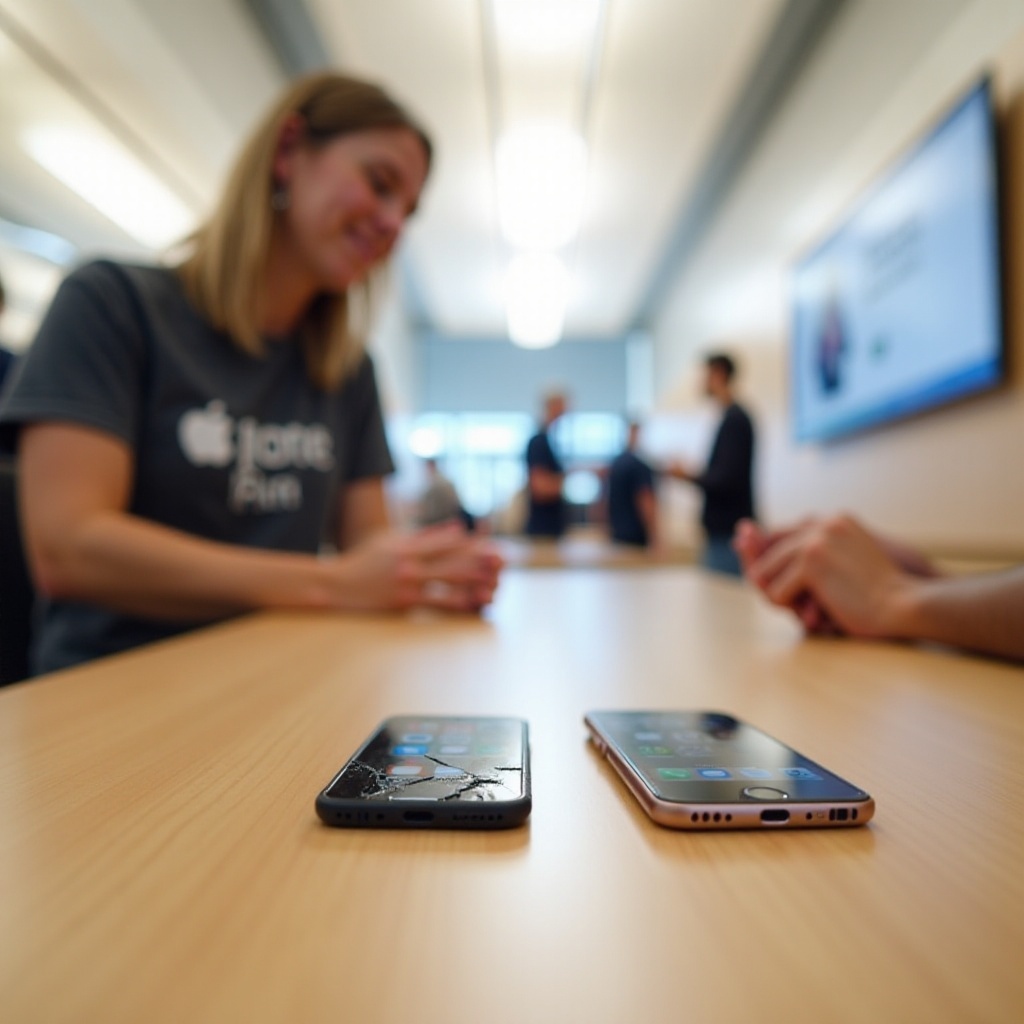
Trading In Broken iPhones with Major Carriers (Verizon, AT&T, T‑Mobile)
When Apple does not offer enough value, or when a major promotion appears, carriers like Verizon, AT&T, and T‑Mobile can be attractive alternatives. They often run upgrade deals that accept damaged devices for high bill credits, especially when a new flagship phone launches.
These carrier offers can sometimes give more value for broken iPhones than Apple, but they come with conditions. Understanding those details helps you decide if a carrier trade‑in fits your plans.
How Carrier Trade‑In Promotions Work for Damaged Devices
Carrier trade‑in promotions usually follow a similar pattern:
- You trade in an eligible iPhone, often including models with cracked screens or worn bodies.
- You purchase a new phone through the carrier on a monthly installment plan.
- The carrier applies bill credits to your account over 24 to 36 months.
Some promotions advertise that they accept phones ‘in any condition’ or ‘even with a cracked screen,’ as long as the device powers on and is not blacklisted. This can make carriers a strong option if your iPhone is damaged but still runs.
Keep in mind that the large credit is not cash. The value appears as monthly discounts against your bill. If you cancel early, you may lose remaining credits and still owe the balance on your new phone.
Condition Tiers and Minimum Eligibility Rules
Despite bold marketing, carriers still use condition tiers. They normally classify trade‑ins as:
- Good or Excellent: No major damage, fully functional.
- Fair or Acceptable: Noticeable wear or minor damage, but all important functions work.
- Damaged or Broken: Cracked glass, worn body, or battery issues, yet the phone powers on and shows a display.
Minimum eligibility rules usually include:
- The phone must turn on and display an image
- No major structural damage such as a severely bent frame
- No signs of tampering, such as missing parts or obvious non‑standard repairs
- The device must not be blacklisted as lost or stolen
If your iPhone fails these checks, the carrier could reduce the value or decline the trade‑in altogether. Always read the fine print of the specific promotion you plan to use.
Pros and Cons of Using Carrier Trade‑In Credits
Carrier trade‑ins have clear advantages and drawbacks.
Pros:
- High promotional values, sometimes even for cracked or damaged phones
- Simple process if you are already upgrading through that carrier
- The credits can offset the full cost of a new device over time
Cons:
- You do not receive cash; you receive monthly bill credits
- You are tied to the carrier for the length of the installment plan
- Cancelling or switching early can leave you with a balance and no remaining credits
If you want flexibility, or you prefer immediate cash rather than long‑term credits, retailers and online buyback services may be a better fit.
Retailers and Online Buyback Sites for Broken iPhones
When carrier deals are not ideal or when you want direct cash instead of bill credits, big‑box retailers and dedicated online buyback platforms offer useful alternatives. These companies specialize in buying used and broken phones and can often handle damage that others consider too severe.
They are especially helpful if you have already finished your service contract, prefer to shop unlocked phones, or want to avoid being locked into a multi‑year plan.
Big‑Box Retailers and In‑Store Trade‑In Counters
Retailers such as Best Buy, Walmart, and Target often run trade‑in programs, either directly or in partnership with third‑party services. Their process typically looks like this:
- You visit a store or start the process online and select your iPhone model.
- You describe its condition, including whether the screen is cracked or the phone has other damage.
- The system generates an estimated trade‑in value.
- In store, staff inspect the phone to confirm its condition and final value.
- You receive store credit, a gift card, or a discount on a new device.
Retail programs often accept:
- Cracked screens that still function
- Cosmetic issues like scuffs and dents
- Batteries with reduced health but basic functionality
Each retailer has its own policy, but many allow broken iPhones as long as they turn on and are not locked or blacklisted.
Dedicated Online Buyback Platforms for Broken iPhones
Dedicated buyback sites exist specifically to purchase used and broken electronics. They often provide separate condition levels for broken devices and are transparent about how damage affects pricing.
Their process usually works like this:
- You choose your iPhone model on the site.
- You select a condition option, such as ‘broken,’ ‘cracked screen,’ or ‘faulty.
- The site shows an instant quote based on your answers.
- You ship the phone with a prepaid label supplied by the company.
- Technicians inspect the device and confirm or adjust the offer.
- You get paid by bank transfer, PayPal, or check.
These platforms can be a good answer to the question ‘can you trade in broken iPhones’ when other programs say no. They often buy devices with serious cosmetic damage and even some functional issues, as long as you describe them accurately.
Red Flags and How to Avoid Lowball Offers
Not all buyers treat you fairly. To avoid problems:
- Check independent reviews from trusted sites before using any buyback company.
- Be honest when describing your phone’s damage so the final offer matches the quote.
- Read the terms for revised offers. Some services charge a fee to return the phone if you decline a lowered offer.
- Be cautious of quotes that are much higher than competitors. These can be bait‑and‑switch tactics that drop sharply after inspection.
If you stay careful and compare options, you can secure a fair price without surprises. Once you know where you might sell or trade in, the next question is whether to repair your device first.
Should You Repair Your iPhone Before Trading It In?
When people ask ‘can you trade in broken iPhones,’ they often also wonder if they should fix the phone before trading or selling. This decision depends on two things: the cost of repair and the increase in value that repair creates.
In some cases, a single repair can move a phone from ‘broken’ to ‘good’ condition and unlock a much higher offer. In other situations, the repair cost wipes out any benefit, and you end up spending more than you gain.
Typical 2024 Repair Costs vs Trade‑In Value Gains
Common repair types and rough cost ranges include:
- Screen replacement: often around $150–$350, depending on the model and whether you use Apple or an independent shop
- Back glass replacement: sometimes $100–$250
- Battery replacement: often about $70–$120
Repairing your iPhone can:
- Move it from a ‘broken’ or ‘damaged’ category into ‘good’ condition
- Increase trade‑in value by anywhere from $50 to several hundred dollars, depending on the model
- Make the phone more attractive to private buyers who want a hassle‑free device
To decide, compare three numbers:
- Trade‑in or sale value of the phone in broken condition.
- Cost of the repair.
- Trade‑in or sale value after repair.
If the extra value you gain after repair is higher than the repair cost, the repair may be worth doing.
When Repairing First Makes Financial Sense
Repairing before trading in or selling can make sense when:
- You own a recent high‑end iPhone model that still commands strong prices.
- The phone has a single main issue, such as a cracked screen, and all other functions work well.
- You plan to sell the device privately, where buyers often pay more for a phone that needs no work.
For example, if fixing a screen costs $200 but turns a $150 ‘broken’ offer into a $450 ‘good condition’ offer, the repair clearly pays off.
When to Skip Repairs and Trade In As‑Is
On the other hand, you may want to skip repairs and trade in your broken iPhone as‑is if:
- The phone is older and already near the low end of trade‑in values.
- It has multiple issues, such as a cracked screen and a failing battery, which would be expensive to fix together.
- You plan to use a carrier promotion that accepts cracked phones and still pays a generous credit.
In these cases, pouring money into repairs often does not increase the sale price enough to justify the expense. You are usually better off finding a buyer that specializes in broken devices and taking the best as‑is offer you can get.
Once you decide whether to repair first or not, your next step is to prepare the phone and shop for the best trade‑in offer.
How to Maximize the Trade‑In Value of a Broken iPhone
Even if your device is damaged, you can still take simple, practical steps to improve its value and make the trade‑in process smoother. Buyers prefer phones that are clean, ready to be activated, and easy to process.
These steps apply no matter where you trade in your iPhone, whether you choose Apple, a carrier, a retailer, or an online buyback site.
Backing Up, Resetting, and Unlocking Your Device
First, protect your personal data and remove any locks that could block the trade‑in:
-
Back up your data
Use iCloud or a computer to save photos, messages, and important files. This step ensures you do not lose anything when you erase the phone. -
Sign out of your Apple ID
Go to ‘Settings,’ tap your name, and sign out. This step disconnects your account from the device. -
Turn off ‘Find My iPhone’
Almost all trade‑in programs require this. A phone with ‘Find My’ enabled can appear activation‑locked, which many buyers reject. -
Erase all content and settings
Reset the iPhone to factory settings so the next owner can set it up like new. This step also protects your privacy. -
Check carrier lock status
If your carrier offers unlocking, request it when you are eligible. Unlocked phones can sometimes receive higher offers.
Presenting Your Broken iPhone in the Best Possible Condition
Appearance still matters, even with a broken device. A few simple actions can help:
- Gently clean the screen and body with a soft, slightly damp cloth.
- Remove any old screen protectors, stickers, or cases before inspection.
- Keep small pieces, like a loose glass shard, safely contained so they do not fall out during shipping or inspection.
- Include the original box, cable, or charger if the buyer values them.
These details can nudge your device into a better condition tier or simply give the buyer more confidence and less reason to reduce the offer.
Comparing Multiple Quotes Before You Commit
Never assume the first offer is the best. To get the most value from your broken iPhone, compare several options:
- Get a quote from Apple or your local carrier.
- Check at least one big‑box retailer’s trade‑in program.
- Use at least one or two online buyback sites that specialize in broken phones.
When you compare, pay attention to:
- Whether the offer is cash, store credit, or bill credits over time.
- Any shipping or return fees if you decline a revised offer.
- The time it takes to get paid or receive credits.
Choose the option that delivers the highest effective value in a way that fits your needs. If none of the trade‑in offers are worthwhile, you still have other options for your broken iPhone.
When Your Broken iPhone Can’t Be Traded In: Alternatives
Sometimes every trade‑in program says no, or the offers are too low to be worth the effort. This can happen with very old devices, phones that will not power on at all, or units with severe physical or liquid damage.
Even then, your iPhone may still hold value as a source of parts, or it can serve a useful purpose through recycling or donation. Knowing these alternatives helps you avoid throwing it away.
Selling for Parts to Local Shops or Online Buyers
Repair shops and parts buyers often pay for devices that regular trade‑in programs reject. They may want components such as:
- Logic boards for advanced repairs
- Working screens, even if the glass is cracked
- Camera modules, buttons, and housings
You can explore this option by:
- Visiting local phone repair stores and asking if they buy broken iPhones for parts.
- Listing your phone on online marketplaces under ‘for parts or repair’ and clearly describing what works and what does not.
This strategy can bring in more money than recycling, especially if some components still work.
Eco‑Friendly Recycling and Take‑Back Programs
If your damaged iPhone has little or no resale value, recycling is the most responsible choice. Electronic waste contains materials that should not go to landfills.
You can:
- Use Apple’s recycling program, which often allows you to drop off or mail in old devices.
- Check with electronics stores that run free e‑waste collection services.
- Look up local government or community e‑waste events that accept phones.
Recycling helps recover valuable metals and prevents harmful materials from polluting the environment.
Donating Older Broken iPhones for Refurbishment
Some organizations accept broken iPhones that can still be refurbished or used for parts. These programs often:
- Repair the devices and donate them to people in need.
- Refurbish and resell them to fund nonprofit activities.
If your broken iPhone is too old to fetch more than a few dollars but still has some life left after repair, donation can be a meaningful way to put it to use.
Whether you trade in, sell for parts, recycle, or donate, taking action is better than leaving a broken device to sit unused. Once you understand your options, the path forward becomes much clearer.

Conclusion
The question ‘can you trade in broken iPhones’ does not have a simple yes or no answer, but you now know that many damaged phones still carry real value. If your iPhone can power on and is not blacklisted, there is a strong chance that Apple, a carrier, a retailer, or a buyback site will make an offer.
The best strategy is to understand the type of damage your phone has, compare multiple trade‑in and buyback options, and decide whether a repair makes financial sense. If no trade‑in route works, you can still sell the device for parts, recycle it responsibly, or donate it for refurbishment.
With a bit of preparation and comparison shopping, your broken iPhone can help pay for your next upgrade instead of gathering dust in a drawer. That knowledge turns damage from a total loss into an opportunity to recover value.
Frequently Asked Questions
Can you trade in an iPhone that doesn’t turn on in 2024?
Most major trade-in programs will not accept an iPhone that doesn’t turn on, or they will offer very little. Apple, carriers, and retailers usually require that the device powers on so they can test it. If your phone is completely dead, your best options are selling it for parts to a repair shop or using a certified recycling program.
Do you get more money if you repair a cracked iPhone screen before trading in?
You often get more money if you repair a cracked screen first, especially with newer models. A repaired device can move from a ‘broken’ category into ‘good’ condition, which boosts trade-in or resale value. However, you should always compare the cost of the repair with the increase in value. If the repair costs more than the extra money you’ll receive, it is usually better to trade in or sell the phone as-is.
Can you trade in a broken iPhone that’s still on a payment plan?
Many carriers let you trade in an iPhone that’s still on a payment plan as part of an upgrade offer. They may roll your remaining balance into a new agreement or apply credits that help cover what you owe. The device still has to meet their minimum condition rules, even if it has a cracked screen. Always check your carrier’s terms so you understand how the trade-in affects your current financing.