
Introduction
Dive directly into the world of iPhone connectivity with the ‘discoverable by others switch.’ This feature is pivotal for establishing Bluetooth connections with other devices, ranging from headphones to car systems. Despite its importance, not all users fully comprehend the implications and management of this feature. In this guide, we’ll explore how to use the switch effectively, covering the potential advantages and security considerations in depth.
What is the iPhone Discoverable by Others Switch?
The ‘discoverable by others switch’ on an iPhone is a setting within the Bluetooth menu that allows your device to be visible to others nearby for potential pairing and connectivity. By default, this setting is turned off to enhance your device’s security. Here’s what you need to know:
– Visibility Control: Only when Bluetooth is active can your iPhone become discoverable to other devices within a close range.
– Ease of Access: This feature allows for quick and efficient pairing with trusted devices, simplifying connectivity.
– Security Setting: With the feature off by default, users maintain control over when and where their device can be detected by others.
While the discoverable switch can significantly enhance user convenience, it becomes crucial to manage this feature properly to counter potential risks, which we will explore next.
How to Make Your iPhone Discoverable
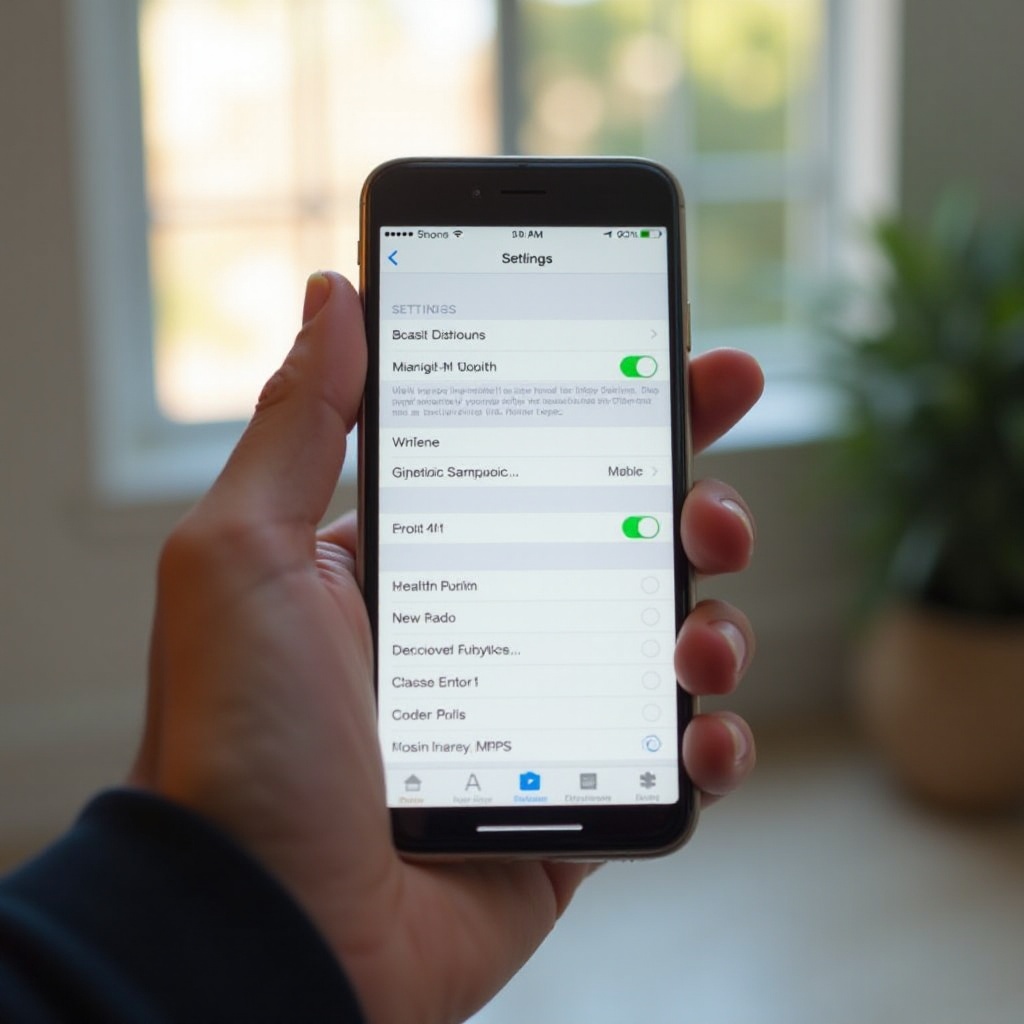
To effectively utilize your iPhone’s Bluetooth capabilities, enabling discoverability is a must. Follow these steps:
1. Navigate to Settings: From your home screen, open ‘Settings’ and then tap on ‘Bluetooth.
2. Enable Bluetooth: If not already enabled, slide the Bluetooth toggle to the ‘on’ position.
3. Pair New Devices: As soon as Bluetooth is active, your iPhone will automatically initiate a search for nearby devices ready for pairing.
4. Select Device: Tap on the name of the device you wish to connect with. It may prompt you for a passcode or confirmation.
5. Deactivate After Use: Consider turning off Bluetooth when it’s unnecessary, to make your device invisible and preserve battery life.
Mastering these steps not only streamlines device connectivity but also helps in mitigating security risks by limiting exposure.
The Benefits and Risks of iPhone Discoverability
Embracing the discoverable switch can lead to increased productivity and enjoyment by facilitating seamless device interactions.
– Quick Connections: Easily connect to audio devices or computers without entering credentials each time.
– Automatic Recognition: Your device will effortlessly connect to previously paired gadgets, saving time and reducing hassle.
However, with enhanced discoverability comes potential risks:
– Unauthorized Access: Unchecked access can lead to security breaches if untrusted devices connect to your iPhone.
– Data Interception: During data transfers, discoverable modes might pose privacy risks if not closely monitored.
To balance these aspects, consider limiting discoverability to trusted environments, thereby maximizing benefits while minimizing risks.
Troubleshooting iPhone Discoverability Issues
When encounters with connectivity issues occur, a systematic approach can typically resolve them.
– Ensure Proximity: Verify both devices are within effective range, generally no more than 30 feet apart.
– Restart Both Devices: Turn off and restart both your iPhone and the device you’re trying to connect with.
– Forget and Re-Pair: Go to the Bluetooth list, select ‘Forget This Device’ on the problematic connection, and try pairing once more.
– Update Software: Keeping your iPhone’s iOS up-to-date is crucial for resolving any software-related connectivity glitches.
By understanding and applying these troubleshooting techniques, users can ensure a smooth and consistent connection process.
Best Practices for Using Discoverability Safely
Implementing best practices can greatly enhance the security of your iPhone’s discoverability:
– Limit Discoverability: Keep your iPhone hidden whenever Bluetooth connectivity isn’t needed for ongoing activities.
– Careful in Public Spaces: Avoid initiating pairings in areas with high device density, such as airports or malls, where unauthorized connections are more likely.
– Review Paired Devices Regularly: Regularly check your paired devices list and remove those that you no longer use.
Adopting these safety measures not only safeguards your data but also maintains optimal functionality of your iPhone’s connectivity features.
Advanced Features in iOS Enhancing Discoverability
Recent iOS updates provide sophisticated enhancements that integrate with the discoverable feature:
– Enhanced Network Permissions: Apple allows users to customize permission settings for each device connected via Bluetooth, adding a layer of security.
– Proximity Detection: Devices connected in secure environments prompt automatic pairing, reducing manual effort.
– AirDrop Regulations: Manage settings to limit file sharing using AirDrop only to contacts or during specific circumstances.
These advanced features grant users more control over their iPhone’s connectivity capabilities, ensuring a secure and efficient experience.
Conclusion
Harnessing the power of the iPhone’s discoverable by others switch involves understanding both benefits and responsibilities. By striking a balance between accessibility and security, users can fully leverage this feature to improve interactions with the ever-expanding ecosystem of Bluetooth-enabled devices. Remember to periodically review your paired connections, adjust settings when necessary, and stay informed of iOS updates that enhance device functionality and security.
Frequently Asked Questions
How do I know if my iPhone is in discoverable mode?
Your iPhone becomes discoverable when Bluetooth is turned on. It will automatically appear on the Bluetooth interface of nearby devices as soon as it’s active.
Can I make my iPhone discoverable for specific devices only?
While you can’t limit the discoverable mode to specific devices, you can manually accept or reject each pairing request, ensuring only trusted devices connect.
What should I do if my iPhone doesn’t appear to be discoverable?
Ensure Bluetooth is enabled and both devices are within range. Try restarting the devices, forgetting and reconnecting the device, and updating your iOS.