
Introduction
Choosing the right wattage for your iPhone charger is crucial for efficient charging and battery health. Whether you have the latest iPhone model or an older version, understanding the optimal wattage can not only save you time but also help extend your battery’s lifespan. This guide explores the best wattage options tailored to different iPhone models and provides insights into how charger specifications impact your device.

Understanding Charger Wattage
Wattage is a measure of electrical power, calculated by multiplying volts with amps, and it plays a crucial role in determining how quickly your iPhone charges. A charger’s wattage determines the power it delivers to your device. Higher wattage often leads to faster charging speeds, which is attractive but requires compatibility checks with your device to prevent damage.
Before diving into recommended wattages, let’s clarify how wattage affects charging speed. Typically, a higher wattage reduces charging time, making fast charging a preferred choice for many. However, excessive wattage exceeding your iPhone’s capabilities can lead to overheating and affect battery longevity. Hence, understanding wattage is just the beginning of making informed charging decisions.
Recommended Wattages for Current iPhone Models
Apple designs each generation of iPhones with specific charging capabilities. Let’s explore the optimal wattages for current models to ensure your charger supports efficient power delivery:
- Optimal Watts for iPhone 13 and Newer: These models support fast charging, ideally using 20W chargers, which offer a balance of speed and battery health.
- Suitable Wattage for Older iPhone Models: Older generations, such as iPhone 8 or X, perform best with chargers between 10W and 18W to match their charging technology.
While higher wattage chargers may seem appealing for older models, sticking to the recommended range ensures safe and effective charging. Recognizing these differences is crucial as we delve deeper into the advantages and disadvantages of fast versus standard charging.
Fast Charging vs. Standard Charging
Fast charging significantly reduces charging time but requires careful consideration. It’s essential to differentiate between fast and standard charging to understand what’s best for your device:
- Definitions and Differences: Fast charging employs a higher wattage charger, transferring more power at a quicker rate. Standard charging uses lower wattage, taking longer to fill your battery.
- Impact on Battery Health: While fast charging is convenient, it might generate more heat that can affect battery longevity. Standard charging offers a gentler energy transfer, preserving battery health for an extended duration.
Your choice between these methods depends on daily power needs. If rapid replenishment suits your lifestyle, fast charging proves ideal. However, considering battery preservation, standard charging may often be a wiser choice. These considerations underline making informed decisions when selecting the right charger with safety and compatibility in mind.
Choosing the Right Charger: Considerations and Safety
Making informed charger selections involves evaluating brand options, safety standards, and compatibility concerns:
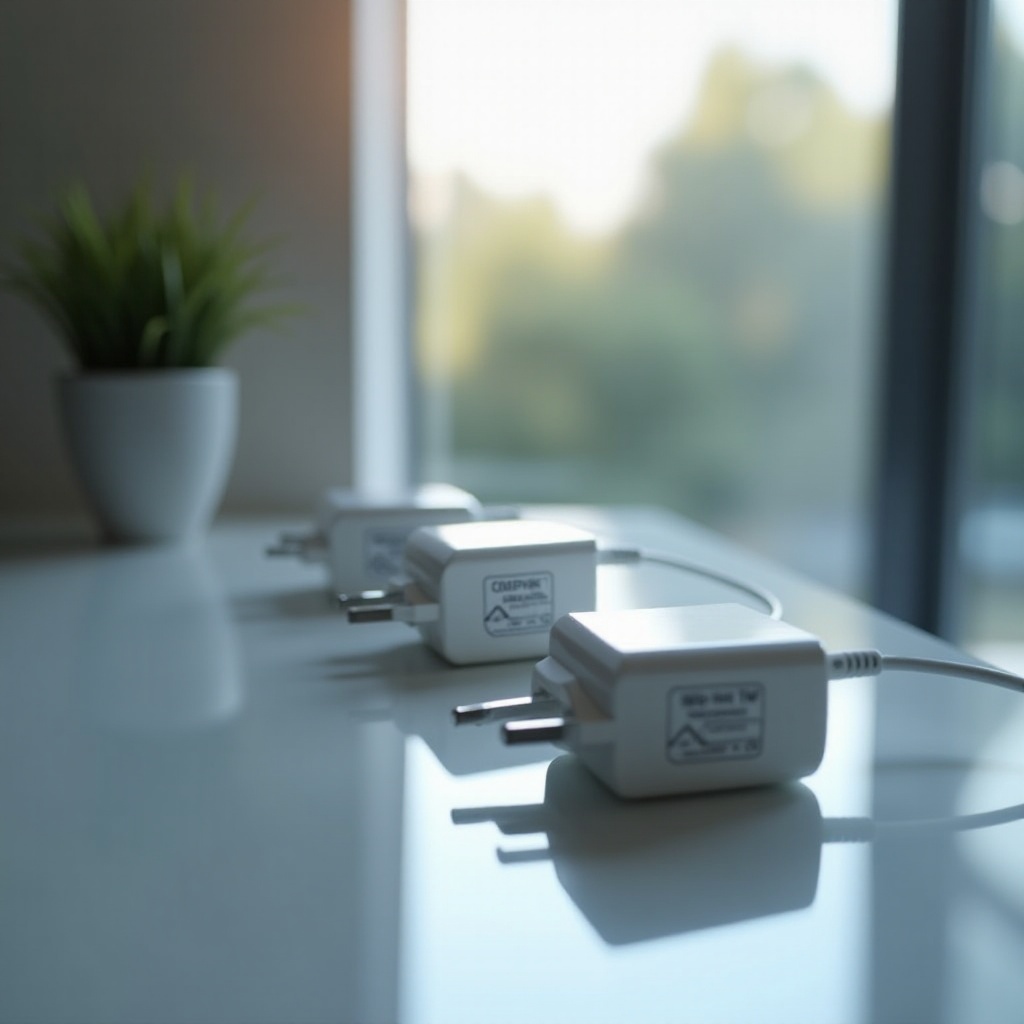
- Brand Comparison: Apple vs. Third-Party Chargers: While Apple chargers guarantee compatibility, certified third-party chargers can offer quality and reliability, often at lower prices. Always review certifications and customer reviews when opting for third-party options.
- Safety Certifications: Why MFi Matters: Apple’s MFi (Made for iPhone) certification is a reassurance that chargers meet strict safety standards. Choosing MFi-certified chargers minimizes risks of overheating, short-circuiting, and potential damage.
Balancing brand preferences with safety concerns ensures your iPhone receives optimal power. As we anticipate future advancements, staying informed about charging technology developments is essential.
Future Trends in iPhone Charging Technology
Innovations in charging technology promise exciting developments. Understanding these trends allows users to adapt to upcoming changes for efficient charging experiences:
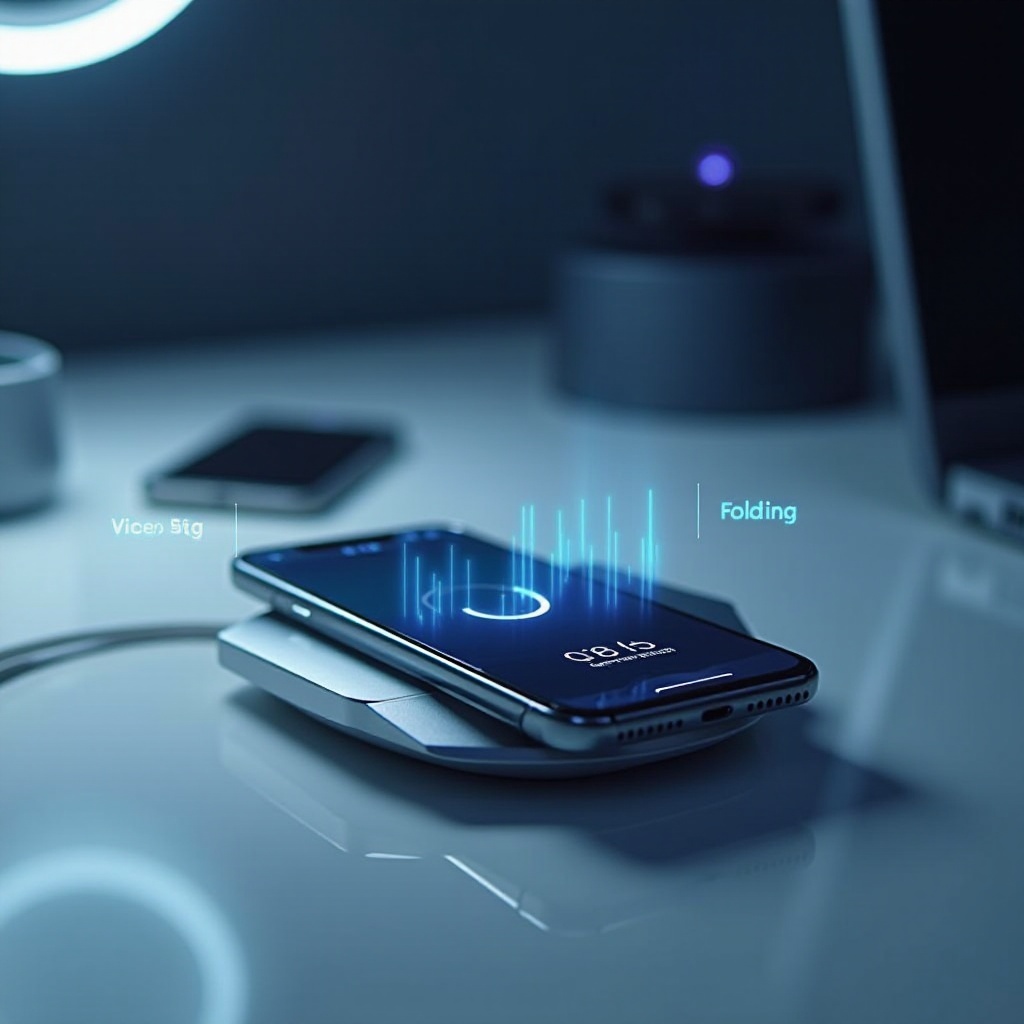
- Predictions for Upcoming Charging Innovations: With wireless charging gaining traction and rumors of faster, more sustainable methods, iPhone users may soon see chargers with even more advanced features.
- Preparing for Future Transitions: Staying informed about potential shifts in technology, such as the universal adoption of USB-C or eco-friendly materials, keeps your charging choices ahead of the curve.
Recognizing these advancements paves the way for wiser investments and prepares users for seamless adaptation as technology evolves. Wrapping up our insights, here’s a summary of best practices for selecting your ideal charger while enhancing your charging routine.
Conclusion
Selecting the right wattage for your iPhone charger enhances performance and protects your device. By understanding wattage dynamics and choosing chargers based on model specifications, users ensure efficient charging cycles. Whether opting for fast or standard charging, prioritizing safety and quality remain integral. Keep informed about future trends to stay ahead and make savvy decisions concerning your iPhone’s power requirements.
Frequently Asked Questions
What happens if I use a charger with too high wattage?
Using a charger that surpasses your iPhone’s wattage capacity may cause battery overheating and potential damage, compromising its longevity.
Is fast charging bad for my iPhone’s battery?
Fast charging raises battery temperature, potentially affecting health. However, using correct wattage mitigates risks, balancing speed and preservation.
What does MFi certification mean for iPhone chargers?
MFi certification confirms chargers meet Apple’s safety standards, reducing risks of damage and ensuring optimal power delivery.