
Introduction
You opened your Android phone, pressed the Home or Power button, and Gemini appeared instead of the familiar Google Assistant. Now you are asking: how do I remove Gemini from my Android phone?
You are not the only one confused by this change. Many Android users feel pushed into using Gemini when they never chose it. Gemini is Google's new AI assistant that shows up in the Google app, on long-press gestures, and inside apps like Google Messages. It can be powerful, but not everyone wants a generative AI chatbot at the center of their phone.
This guide walks you step by step through how to turn Gemini off wherever it appears, switch back to Google Assistant (or another assistant), and limit the data Gemini can use. You will see what you can and cannot remove, and how to keep control over your Android assistant setup without breaking your phone.
To do that in a clean, safe way, you first need to know what Gemini actually is and why it appears all over your device.

What Is Google Gemini on Android and Why Is It Everywhere?
Google Gemini is Google's latest AI assistant that blends search, chat, and generative AI features. Instead of only answering voice commands like classic Google Assistant, Gemini also:
- Chats with you in a conversational way
- Generates responses, summaries, and suggestions
- Integrates with other Google apps and services
From 2024 onward, Google has pushed Gemini as the default assistant experience on many Android phones. That is why it may appear even if you never installed an app called 'Gemini'. It arrived through updates to the Google app and system services.
Understanding that shift helps you see why your usual assistant changed and why you need more than a simple uninstall button to remove Gemini from daily use.
How Gemini Replaced Google Assistant for Many Users
On many devices, Gemini does not show up as a separate app with a clear install or uninstall option. Instead, it comes built into updates for the Google app and Google Play Services.
When those updates rolled out, the system quietly switched many assistant functions from Google Assistant over to Gemini. As a result:
- Your Home button or gesture may now open Gemini
- 'Hey Google' can launch a Gemini-style interface
- Assistant cards and prompts turned into Gemini experiences
From your point of view, it feels like Google Assistant turned into something else overnight, without you agreeing to it.
Where Gemini Shows Up on Your Android Phone
Gemini can appear in several places on a modern Android phone, including:
- The Google app: a Gemini button, tab, or entry point at the top
- Long-press Home button or Home gesture: opens Gemini instead of classic Assistant
- Long-press Power button: launches Gemini on some models
- Google Messages: a Gemini icon in the chat bar or within conversations
- Other Google apps: experimental Gemini shortcuts or prompts
Knowing where Gemini lives makes it easier to disable it step by step. Before we do that, you should know how much of Gemini you can actually remove and which parts you can only hide.
Can You Completely Remove Gemini From Your Android Phone?
Many users search for 'how do I remove Gemini from my Android phone' hoping for a simple uninstall option. In 2024, that is not how it works. Gemini is deeply integrated into core Google components on Android.
That does not mean you are stuck with it everywhere. You can still switch assistants, disable Gemini in key spots, and cut back its access to your data. But you need realistic expectations about what 'removal' means here.
Gemini as a System Feature vs. Regular App
On most Android phones, Gemini is not just a normal, standalone app. It is tied into:
- The Google app
- Google Play Services
- System-level 'Digital assistant' features
Because of this, you usually cannot:
- Uninstall Gemini like a regular app from the home screen or app drawer
- Fully remove it without affecting other Google features
Gemini behaves more like a system feature than an app you installed yourself. Android does not give you a one-tap uninstall option for system components like this.
What 'Remove', 'Disable', and 'Turn Off' Really Mean
In practice, when you ask how to remove Gemini, you usually mean that you want to:
- Stop it from opening when you press Home or Power
- Stop it from appearing in Google Messages and other apps
- Stop it from using as much of your personal data as possible
So in this guide, 'remove Gemini' mostly means:
- Switching your default assistant away from Gemini
- Turning off Gemini in specific apps
- Limiting Gemini's access to your activity and history
With that in mind, let's start with the most important change: setting your main assistant back to Google Assistant or another option that you trust.
Step 1 – Switch Your Default Assistant Back to Google Assistant
The fastest way to get rid of Gemini in daily use is to switch your main assistant back to classic Google Assistant. That way, when you trigger the assistant, you get the familiar experience instead of the Gemini chat interface.
This step focuses on changing your preference inside the Google app itself, which controls how the assistant behaves.
Open the Google App and Access Assistant Settings
First, open the Google app on your Android phone. Then follow these steps:
- Tap your profile picture or initial in the top-right corner.
- Tap 'Settings'.
- Look for an entry named 'Google Assistant' or 'Assistant'.
On some devices, you may see a 'Gemini' option here instead. Either way, you are going to tell the system that you prefer Assistant over Gemini.
Turn Off Gemini and Re-enable Google Assistant
Inside the Assistant or Gemini settings, look for options like:
- 'Try Gemini'
- 'Use Gemini instead of Assistant'
- 'Switch to Gemini'
Then:
- Turn off any toggle that enables Gemini as your default assistant.
- If there is a 'Switch to Google Assistant' option, tap it.
- Confirm that you want to use Google Assistant as your main assistant.
The wording varies by device and region, but the goal is always the same: disable Gemini as the default experience and restore Google Assistant.
Test the Change With Voice Commands and Shortcuts
After you make the change, test it right away:
- Say 'Hey Google' or 'OK Google' and check which interface appears.
- Use your Home button long-press or Home gesture if your phone supports it.
If you see the classic Assistant interface instead of Gemini's chat-style UI, you have successfully switched. That is the first big part of the puzzle.
Now you should align this with Android's system-level assistant setting so Gemini does not sneak back through default app options.
Step 2 – Change the Default Digital Assistant App in Android Settings
Even after you switch to Google Assistant in the Google app, Android itself still uses a 'Digital assistant app' setting. Gemini can reappear if the system still points to it at this level.
To fully answer the question 'how do I remove Gemini from my Android phone', you need to change this system setting as well.
Find the Default Apps Menu on Your Phone
On most Android phones, you can find the assistant setting like this:
- Open Settings.
- Go to Apps (or Apps & notifications).
- Tap Default apps.
- Look for Digital assistant app or Assistant & voice input.
Manufacturers use slightly different labels, but the key terms are 'assistant', 'digital assistant', or 'voice input'.
Set Google Assistant (or Another Assistant) Instead of Gemini
Once you are in the assistant app screen:
- Tap Digital assistant app or the equivalent option.
- You should see choices like 'Google', 'Gemini', 'None', or third-party assistants.
- Select Google if you want classic Assistant, or pick another assistant you prefer.
If you see 'Gemini' listed as its own choice, make sure it is not selected. This tells Android to use your chosen assistant whenever an app or gesture calls for assistant actions.
Adjust Home Button or Gesture to Launch Your Chosen Assistant
Many phones let you launch the assistant with:
- A long-press on the Home button
- A swipe-up gesture from the bottom corners
- A custom gesture or quick shortcut
In Settings > System > Gestures (or a similar menu):
- Check which gesture or button action launches the assistant.
- Make sure it is configured for your chosen assistant and not tied to Gemini.
Once the system-level default assistant is correct, Gemini should no longer appear as your main assistant. The next goal is to stop it from opening when you use the Power button.
Step 3 – Stop Gemini From Opening With the Power Button
On many newer phones, long-pressing the Power button does not open the power menu anymore. Instead, it can launch Gemini or the assistant. If you want Gemini out of the way, this shortcut can be very annoying.
Disabling this behavior gives you back a predictable Power button and keeps Gemini from appearing unintentionally.
Disable Gemini Shortcut in Power Button Settings
To change this behavior:
- Open Settings.
- Go to System or Advanced features, depending on your device.
- Find Power button, Side key, or a similar option.
- Look for something like 'Press and hold power button for Assistant' or 'Wake Gemini'.
- Turn that option off or change it back to Power menu.
After this, a long-press on the Power button should bring up the restart and power off options instead of Gemini.
Use OEM-specific Options on Pixel, Samsung, and Other Phones
Some brands hide these options under their own names:
- Google Pixel: Go to Settings > System > Gestures > Press and hold power button.
- Samsung Galaxy: Go to Settings > Advanced features > Side key and choose what a long-press does.
- Other brands: Look under Buttons, Gestures, or Advanced menus.
In each case, set the long-press action to open the power menu or do nothing instead of launching an assistant or Gemini.
Turn Off Assistant Shortcuts Entirely if You Prefer
If you never use a voice assistant, you can go one step further:
- Turn off all assistant shortcuts in these Power and gesture settings.
- Use only on-screen buttons and icons to control your phone.
With the Power button and main gestures under control, Gemini may still show up inside apps, especially in Google Messages. The next step is to remove it from those app experiences.
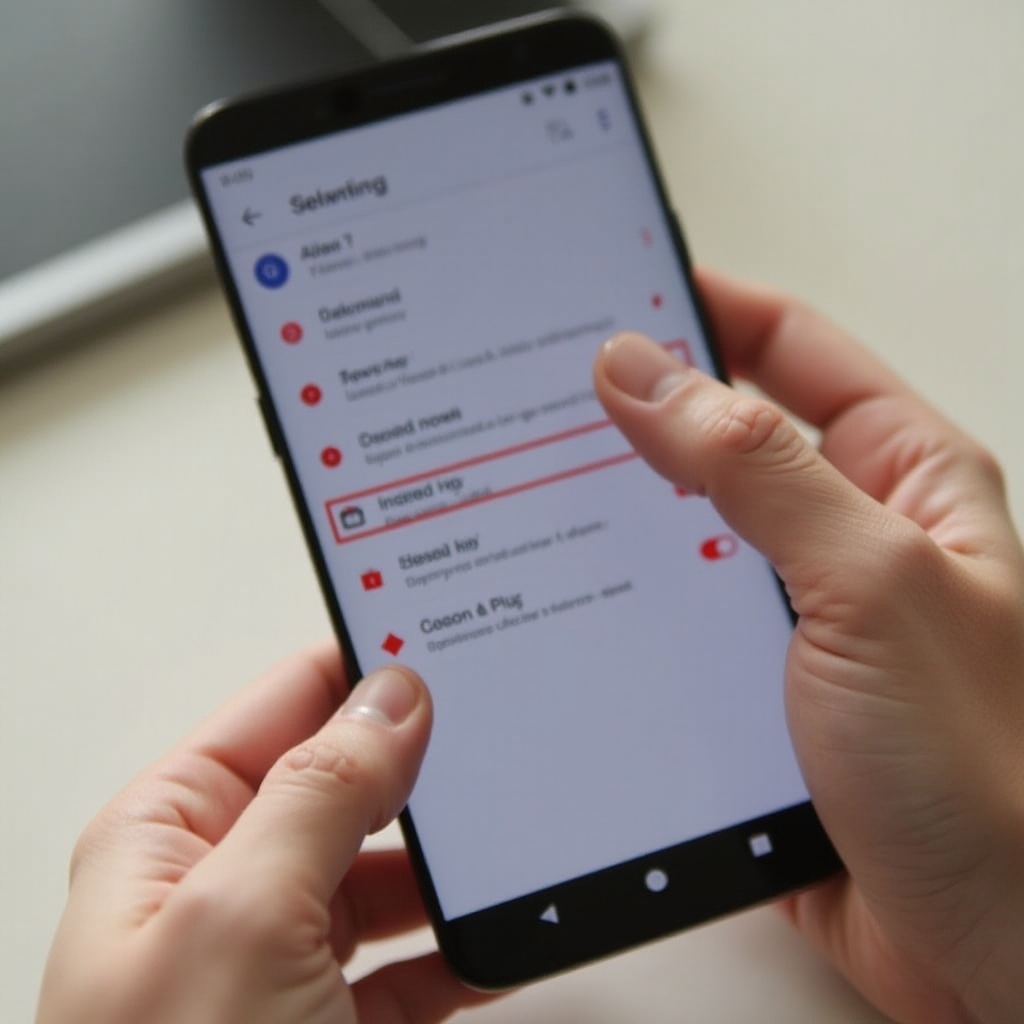
Step 4 – Turn Off Gemini in Google Messages and Other Apps
Google has been adding Gemini to more apps in 2024, with Google Messages as a major focus. You might see a Gemini icon near the text box or get AI-style suggestions. If you do not want AI inside your chats, you can turn these features off.
By cleaning up Gemini inside your apps, you reduce distractions and keep your conversations more private and predictable.
Remove the Gemini Chat Icon in Google Messages
To disable Gemini in Google Messages:
- Open the Google Messages app.
- Tap your profile icon or the three-dot menu in the top-right corner.
- Select Settings.
- Look for entries related to Gemini or AI features.
- Turn off any toggle that enables Gemini chat or suggestions.
Once you disable these options, the Gemini icon in your chat list or message input bar should disappear or stop responding.
Disable Gemini-powered Suggestions in Messaging and Email Apps
Other Google apps may use Gemini or similar AI systems behind the scenes for suggestions, such as:
- Smart replies in Gmail
- Smart compose in Gmail or Chat
- Suggested replies in other messaging apps
To limit these features:
- Open the app (for example, Gmail or Google Chat).
- Go to Settings.
- Look for sections called Smart features, Suggestions, AI features, or similar.
- Turn off options like smart replies, smart compose, or AI-based suggestions.
This reduces Gemini's role in drafting messages or offering responses, so you stay in full control of what you send.
Check Other Google Apps for Hidden Gemini Toggles
It is also worth checking these areas:
- The main Google app's settings for any Gemini or AI sections
- Labs, experimental, or beta features inside apps like Chrome, Maps, or Photos
Whenever you see options labeled 'Gemini', 'AI', 'labs', or 'experimental', review them carefully. Turn off anything you do not want active.
After you clean up Gemini inside your apps, the next step is to manage what data Gemini can access through your Google account.
Step 5 – Manage Gemini Permissions, Data, and Activity
Even after you hide Gemini from your main interactions, it can still use your data through your Google account. Managing permissions and activity is crucial if you care about privacy and long-term control.
Reducing how much data Gemini can use also limits how personalized and intrusive it can become.
Review What Data Gemini Can Access on Your Phone
Gemini relies on a lot of the same data sources as other Google services, including:
- Web and app activity
- Location history
- Voice recordings and audio history
- YouTube activity and more
To review what Google and Gemini can access:
- Open the Google app or visit myaccount.google.com in a browser.
- Tap your profile icon, then select Manage your Google Account.
- Go to the Data & privacy tab.
Here you can see which data types Google tracks and uses, including those that support Gemini features.
Change Google Account Activity Controls and Personalization
In the same Data & privacy section, you can adjust key activity controls:
- Scroll to History settings or Activity controls.
- Turn off or pause any of the following that you do not want:
- Web & App Activity
- Location History
- YouTube History
You can also adjust ad personalization and related settings if you want less targeted content.
Limiting these controls reduces the amount of information Gemini can use to shape its responses and suggestions.
How to Clear or Delete Gemini-related Activity
You can also clear past activity that may have been used by Gemini:
- Go to My Activity in your Google account (through the app or web).
- Filter by product such as Assistant, Gemini, or Google app.
- Delete specific entries or choose Delete activity by to remove data for a time range.
Deleting this history reduces what Gemini can rely on from your past searches, commands, and conversations.
If you still want to push Gemini even further out of your system, there are a few more advanced options you can try.
Advanced Options – Limiting Gemini Even Further
Some users want to minimize Gemini's presence as much as possible, even if total removal is not realistic without deep system changes. There are a few advanced steps that can help, as long as you use them carefully.
These options are more technical and may have side effects, so consider them only if the earlier steps are not enough.
Clearing Google App Cache or Updates to Reduce Gemini Prompts
Sometimes Gemini shows up more aggressively after a new Google app update. You can try rolling back or clearing data to reduce that:
- Go to Settings > Apps > Google.
- Tap Storage & cache.
- Tap Clear cache. If you are comfortable, you can also tap Clear storage (this will reset app settings and preferences).
- On some devices, tap the three dots in the top-right and choose Uninstall updates.
Rolling back updates might reduce Gemini's visibility, but the app will likely update again later. Treat this mainly as a troubleshooting step, not a permanent solution.
Leaving Gemini or AI-related Beta Programs
If you joined any beta programs, you may see more Gemini features than average users. For example:
- Gemini beta in the Google app
- Google Play Services beta
- Android beta builds
To leave a beta program:
- Open the Google Play Store and search for the Google app.
- Scroll down to the Beta program section.
- If you see that you are enrolled, tap Leave.
Repeat this for other Google system apps. After you leave, future updates may contain fewer experimental Gemini features.
Why Rooting or Force-uninstalling Gemini Is Risky
Some advanced users think about:
- Rooting the phone
- Using ADB commands to disable system components
- Force-uninstalling the Google app or Gemini modules
These methods can:
- Break core functions like search, Assistant, or Play Services
- Cause system instability, glitches, or security holes
- Void your warranty or block future updates
For most people, it is safer to disable and limit Gemini using the earlier steps rather than trying to rip it out completely. Once you reach a setup you like, you can decide whether to use another assistant or none at all.
Alternatives to Gemini for Android Users
Removing or disabling Gemini does not mean you must give up on assistants entirely. You can keep using classic Google Assistant, try a third-party option, or drop assistants altogether for maximum privacy.
Thinking about your alternatives helps you turn this from a frustration into a conscious choice about how your phone works.
Using Classic Google Assistant Without Gemini Features
If you liked the old Assistant, you can keep using it with fewer AI extras:
- Leave Google selected as your digital assistant app.
- Turn off Gemini in the Google app and in system settings where possible.
- Use voice commands like 'Hey Google' for reminders, timers, calls, navigation, and quick facts.
This setup gives you a simpler, more predictable assistant experience without Gemini's generative chat features taking over.
Trying Third-party Assistants Like Alexa Instead
Some users prefer alternatives such as:
- Amazon Alexa: Works well with Echo devices and many smart home gadgets.
- Bixby (on Samsung phones): Integrates with Samsung-specific tools and apps.
You can install these from the Play Store and then set them as your default assistant in Settings > Apps > Default apps > Digital assistant app.
Keep in mind that third-party assistants also process your data. Review their privacy and permissions settings to make sure you are comfortable with how they work.
Living With No Assistant at All for Maximum Privacy
If privacy matters more than convenience, you may choose to turn off assistants entirely:
- Set the digital assistant app to None in default app settings.
- Disable all assistant shortcuts and gestures for Home and Power buttons.
- Rely on manual search, typing, and app navigation instead of voice commands.
You lose the ease of hands-free control, but you gain more certainty about what data is being processed by AI systems.
Conclusion
The question 'how do I remove Gemini from my Android phone' does not have a single uninstall button solution. Gemini is woven into the Google app and system services, so Android does not let you delete it like a normal app.
However, you are far from powerless. By switching your default assistant, changing system shortcuts, turning off Gemini in Google Messages and other apps, and tightening your Google account data settings, you can push Gemini out of your daily experience.
You now understand what Gemini is, why it appeared on your phone, and what 'removing' it really means in 2024. Whether you stick with classic Google Assistant, try a different assistant, or use no assistant at all, the most important thing is that you decide how your phone responds when you press a button or say 'Hey Google' – not Gemini by default.
Frequently Asked Questions
Why can’t I completely uninstall Gemini from my Android phone?
Gemini is built into the Google app and system-level services, not just a separate app. Android treats it as part of core Google functionality, similar to Play Services or the system launcher. Fully uninstalling it could break search, Assistant, or other features your phone relies on. That is why most devices only let you disable or hide Gemini through settings, rather than remove it like a normal app. The safest approach is to change your default assistant and turn off Gemini wherever possible.
How do I make sure my phone uses Google Assistant instead of Gemini?
First, open the Google app, go to Settings, and switch away from Gemini to Google Assistant wherever that option appears. Then open Settings > Apps > Default apps > Digital assistant app and select Google instead of Gemini. Also check gesture and button settings so your Home and Power shortcuts launch Assistant or the power menu, not Gemini. Finally, test by saying ‘Hey Google’ or long-pressing the Home button to confirm that classic Google Assistant now opens.
Is it safe to disable Gemini, and will it affect other Google apps?
Yes, it is safe to disable Gemini through settings and app options. You will not damage your phone by turning off Gemini features. However, some AI-powered functions that rely on Gemini, such as advanced suggestions or Gemini chat in Google Messages, will stop working. Core Google apps like Search, Maps, and Gmail will continue to work. If you ever miss a feature, you can re-enable Gemini or specific AI toggles in the relevant app’s settings.