
Introduction
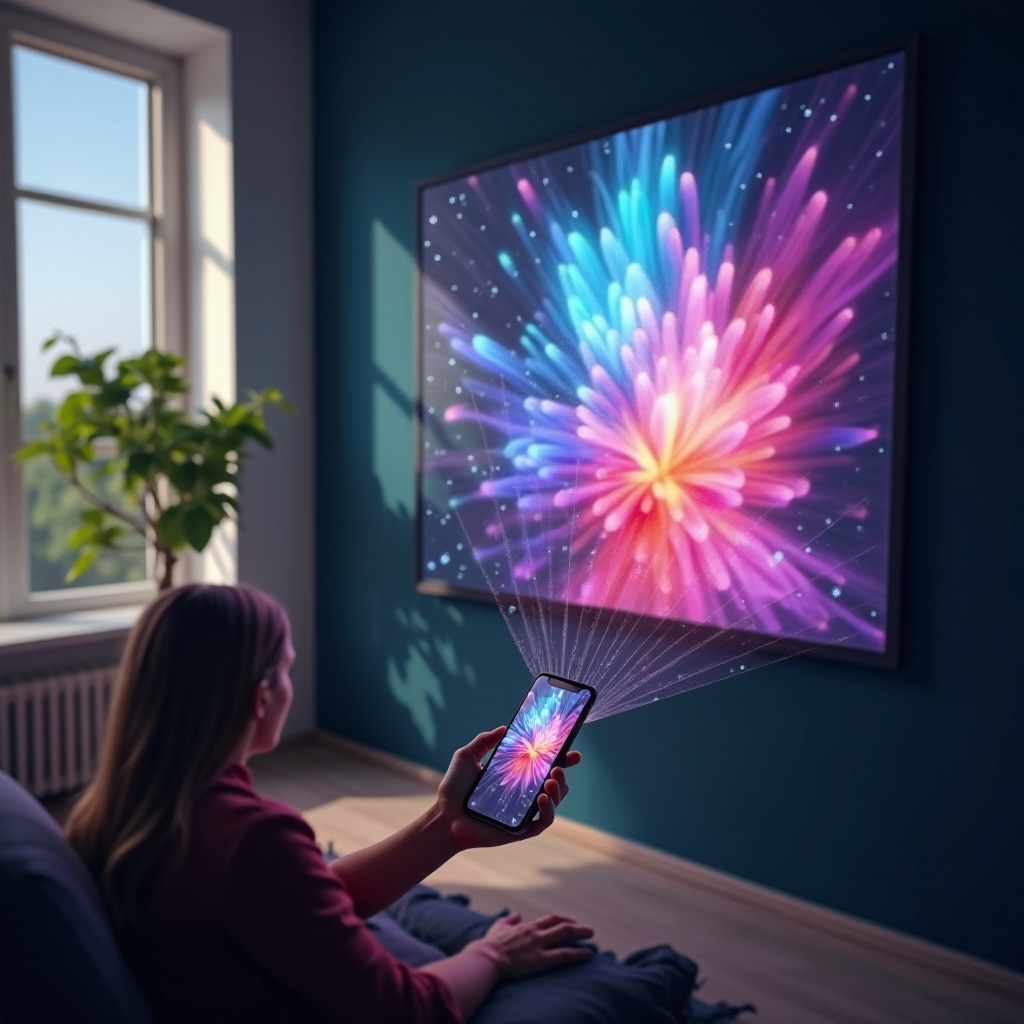
Cell phone projection screens are changing the way media is consumed on mobile devices. Offering larger-than-life visuals, they mimic a cinematic experience without relying on traditional screens, providing flexibility and immersive viewing. As more users seek versatile entertainment options, these projection screens are becoming key components of mobile solutions.
Understanding Cell Phone Projection Screens
Delving into cell phone projection screens involves unpacking their functionality and variations. These screens utilize the phone’s display to project images onto surfaces, transforming any environment into a media space. Choices abound, such as integrated screens in phone cases or independent units. Each type caters to distinct needs, emphasizing either ease of use, mobility, or superior performance.
How Does a Cell Phone Projection Screen Work?
The operation of cell phone projection screens is rooted in straightforward optics principles. Here’s a breakdown:
- Basics of Projection Technology:
- The phone’s display serves as a light source.
-
Optical components magnify and project light onto surfaces.
-
Types of Mobile Projection Screens:
- Built-in Projectors: Embedded within phone cases, offering compact solutions.
- External Devices: Attach separately, enhancing flexibility and projection quality.
These basics pave the way for exploring the benefits that make projection screens appealing.
Advantages of Using a Cell Phone Projection Screen
Utilizing cell phone projection screens can significantly boost your media experience. Not only do they foster a more engaging viewing experience, but they also bring practicality to various settings.
- Enhanced Viewing Experience:
Experience large-scale visuals, transforming simple viewings into more dynamic showings akin to a theater. - Portability and Convenience:
Lightweight and easy to deploy, these screens suit professionals and casual users, ideal for travel or impromptu presentations. - Ideal Use Cases:
From corporate meetings and academic settings to social gatherings, projection screens accommodate diverse environments and usage scenarios.
After exploring these advantages, setting up your screen becomes the next step to fully experiencing its capabilities.
Setting Up Your Cell Phone Projection Screen
Proper setup is crucial to enjoying the advantages of projection screens. Here’s how to ensure a seamless experience:
- Necessary Equipment and Space Considerations:
- Equip yourself with a compatible projection device and select a flat surface for projection.
-
Ensure a dim environment for optimal image clarity.
-
Step-by-Step Setup Guide:
- Connect: Securely attach the projection device to your smartphone.
- Align: Position the device for the best angle and viewing experience.
- Calibrate: Adjust focus for perfectly sharp images.
Once set up, assessing market offerings can enhance your experience further.
Top Brands and Products in 2024
Innovation in 2024 brings advanced products to the forefront. Consider these factors while choosing:
- Leading Models and Features:
Brands like Samsung and Apple offer integrated projector cases, streamlined with phone models. - Comparison of Prices and User Reviews:
While higher-end models boast enhanced resolution and longevity, user reviews guide consumer satisfaction and reliability.
Recognizing these products leads to an understanding of technological challenges and future advancements.
Challenges and Future Prospects of Projection Screens
Acknowledging challenges alongside progress sheds light on the technology’s trajectory.
- Current Limitations:
Compatibility issues may arise with various phone models. Bright environments challenge image clarity. - Innovations in Projection Technology:
Developments focus on energy-efficient models with greater compatibility with augmented reality and immersive experiences.
As technology progresses, these prospects promise exciting shifts in how mobile devices are utilized.
Conclusion
Cell phone projection screens define a prominent direction in media consumption on mobile devices. Their convenience, coupled with powerful features, highlights how technology meets entertainment needs. With continuous improvements, these screens could revolutionize personal tech experiences.
Frequently Asked Questions
What are the compatible devices for cell phone projection screens?
Most projection screens are designed to work with popular smartphone models like iPhone and Samsung Galaxy. Compatibility details are usually listed by the manufacturer.
Can projection screens replace traditional TV?
While projection screens offer convenience and portability, they aren’t a direct replacement for TVs due to limitations in brightness and resolution in some environments.
Are DIY projection screens effective compared to commercial products?
DIY setups can be cost-effective, but they typically lack the quality and features of commercial products, which offer better resolution and user support.