
Introduction
The frustration of dealing with an iPhone that refuses to update apps is all too common. Whether it’s for accessing the latest features or ensuring security, keeping apps updated is crucial. In this guide, we will delve into why this issue occurs and what practical steps you can take to resolve it, ensuring that your iPhone functions seamlessly.
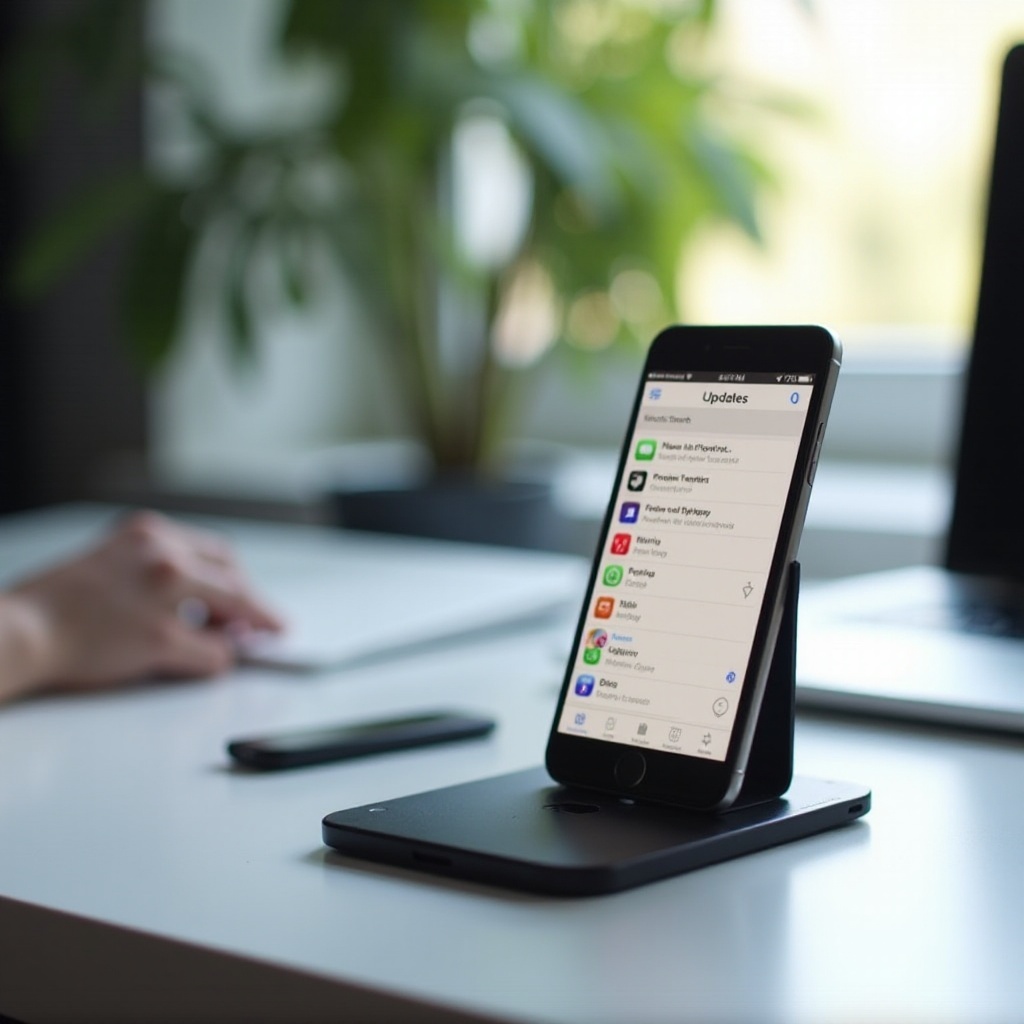
Understanding Why Apps Won’t Update
Several reasons might be causing the app update issue on your iPhone. Identifying these reasons is key to finding the right solution:
- Internet Issues: A weak or unstable internet connection can halt app updates.
- Insufficient Storage: If your device lacks storage, app downloads and installations may fail.
- Software Glitches: iOS bugs can interfere with the update process.
- Pending iOS Update: Outdated iOS versions may cause incompatibility, preventing app updates.
These issues form the foundation for understanding why your iPhone might not update apps. Once recognized, you can move on to practical solutions with this information.

Basic Troubleshooting Steps
For starters, it might be beneficial to attempt basic troubleshooting methods:
- Restart Your iPhone: A simple reboot can fix temporary glitches.
- Check Your Internet Connection: Ensure your Wi-Fi is stable or that cellular data is strong.
- Ensure Sufficient Storage Space: Go to Settings > General > iPhone Storage, and free up space by removing unnecessary files or apps.
These initial measures often resolve common app update problems. If these don’t solve the issue, more in-depth solutions might be needed.
Advanced Solutions for Persistent Update Problems
If basic troubleshooting doesn’t work, it’s time to dive deeper:
- Update Carrier Settings: Sometimes, outdated carrier settings affect app updates. Go to Settings > General > About to check for updates.
- Reset Network Settings: Navigate to Settings > General > Transfer or Reset iPhone > Reset > Reset Network Settings to address any network configuration issues.
- Check Apple ID and Payment Settings: Ensure you’re signed in with the correct Apple ID. Visit Settings and tap your name to verify account info.
These advanced solutions address more stubborn problems, preparing your iPhone to handle future updates smoothly. Next, we turn to potential issues with the App Store itself.
Dealing with App Store Issues
Sometimes, the issue might originate from the App Store. Here’s how to handle it:
- Force Close and Reopen the App Store: Double-click the Home button or swipe up to close and reopen it.
- Clear App Store Cache: Tap any bottom button in the App Store 10 times swiftly to refresh and clear cached content.
Resolving these App Store-specific issues can often eliminate update hurdles. If apps continue resisting updates, professional help may be required.
When to Contact Apple Support
If all else fails, contacting Apple Support might be necessary. Persistent issues could signify hardware or software defects that only professional support can address.
Use Apple Support’s website or app to access personalized assistance and guidance from experts.
Conclusion
Ensuring your iPhone apps are up-to-date is key for optimal performance and safety. From connectivity problems to software glitches, understanding and addressing these barriers with the outlined solutions will enhance your device’s functionality. With these strategies, you can restore your iPhone’s ability to update apps efficiently.
Frequently Asked Questions
Why are my apps stuck on waiting in the App Store?
Apps might be stuck due to poor internet connectivity, insufficient storage, or App Store glitches. Try restarting your iPhone and checking your connection and storage space.
How can I set my iPhone to update apps automatically?
Enable automatic updates by going to Settings > App Store and turning on App Updates under Automatic Downloads.
Is there a way to manually update one app at a time?
Yes, open the App Store, tap your profile icon, scroll to Available Updates, and tap Update next to the app you wish to update.