
Introduction
The management of iPhone battery charging is crucial for maintaining phone longevity. Apple’s smart charging technology leads to the question: do iPhones stop charging when full? Delving into how these features work will help users maintain the lifespan of their devices.
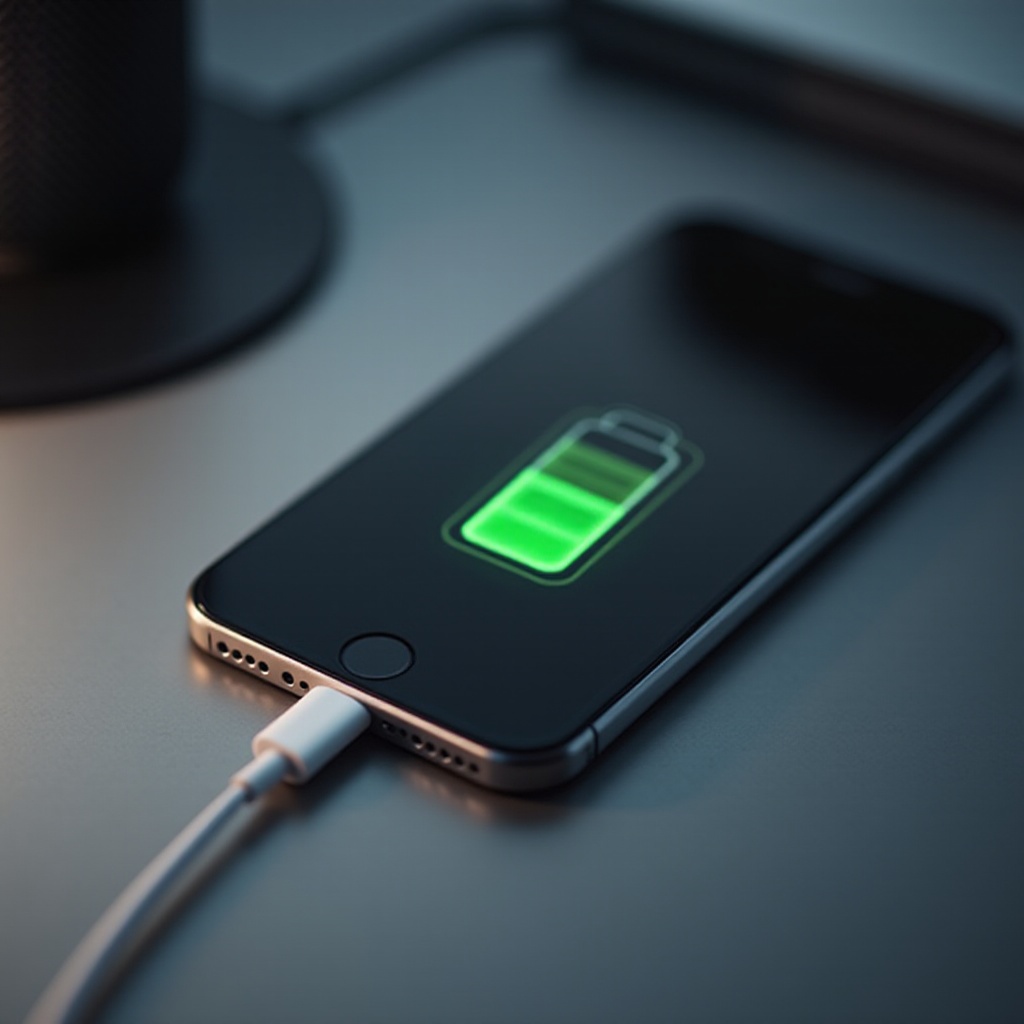
How iPhones Manage Battery Charging
Apple integrates advanced charging mechanisms in its iPhones to efficiently regulate power flow. When connected to power, iPhones utilize algorithms to determine battery needs. This technology ensures that when the battery reaches full capacity, charging stops or slows significantly to avoid overcharging. This seamless blend of software and hardware safeguards users who habitually charge their phones overnight.
Moreover, Apple’s operating system contributes significantly to charging management. iOS continuously monitors battery health, adjusting charging rates based on battery age and usage patterns. These features not only prevent overcharging but also aid in extending battery life through smart energy management.
Built-in Safety Features of iPhone Charging
Inside iPhones lies a sophisticated safety system that methodically handles the power cycle. Apple’s charge regulation diminishes overheating risks after reaching full charge.
- The iOS reduces charging current or halts it at 100%.
- A failsafe mechanism activates if the battery’s temperature rises excessively.
These safety measures ensure that neither the battery nor the phone encounters damage during prolonged charging—a necessary assurance for users who leave their chargers connected all night.
Charge Regulation and Smart Management
Charge regulation is central to iPhone’s battery management. The phone smartly calibrates power flow, ensuring the battery is fully charged while maintaining optimal conditions. As the device approaches full capacity, active measures ensure current reduction or cessation—a crucial aspect of guarding against unnecessary battery wear.
Impact of Full Charge on Battery Life
While a fully charged battery is appealing, understanding its effect on battery life is vital. Continuous charging past capacity generally does not harm iPhones due to built-in precautions. However, consistent operations at low or high battery levels can shorten battery lifespan.
The battery lifecycle heavily depends on charging patterns. Apple’s smart technology slows charging as the battery nears 100%, minimizing wear on battery components. While these features naturally limit damage and prolong life, they work best alongside sustainable user practices.
Understanding Battery Lifecycle
Battery lifecycle entails multiple cycles throughout its life. Knowing these cycles informs better charging practices. A cycle signifies full battery discharge and recharge, impacting longevity. The more efficiently these cycles are managed, the longer the battery can adequately serve the device.
Debunking Common Charging Myths
Charging myths can often obscure user understanding of battery care, impairing practices. Here are common misconceptions:
- ‘Overnight Charging Harms the Battery’ – Modern iPhones safely charge overnight with protective measures.
- ‘Fast Chargers Damage the Battery’ – Although fast charging exposes batteries briefly to higher voltages, Apple’s devices are safeguarded against potential harm, balancing speed with safety.
- ‘Using Non-Apple Chargers Ruins the Battery’ – Apple products adhere to standard specifications. Quality third-party chargers can efficiently power devices without damage.
Each myth includes some truth; nonetheless, Apple’s engineering dispels concerns by robustly safeguarding hardware and software, allowing users to charge their devices with confidence.
Myth vs Reality in Charging Technology
Charging technology envelops various urban myths recurring among users. Existing myths processed through Apple’s technology lens reveals design priorities like safety and efficacy, aligning with dispelling falsehoods. The reality is clear: Apple devices offer reliable charging paths that directly address user concerns.
Tips for Optimal iPhone Charging Practices
To optimize battery health and performance, users can adopt practical charging tips:
- Avoid Extreme Temperatures: Keep your device away from excessively hot or cold surroundings.
- Use Quality Chargers: Opt for certified chargers to ensure consistent power flow.
- Regularly Update iOS: Updates usually enhance battery management features.
- Consider Battery Cycles: Avoid frequently draining the battery to 0% or constantly charging it to 100%.
Incorporating these practices can prolong battery life and preserve device functionality, assuring robust performance throughout its lifecycle.
Recommended Charging Habits
Sustainable charging habits involve routine actions by users that align with device longevity. By adopting these strategies proactively, users kindle healthier batteries to serve their devices longer.
Conclusion
iPhones are equipped with comprehensive technologies that stop charging once full, effectively preserving battery health. Understanding the symbiosis between software and hardware can assist users in optimizing performance and extending device lifespan. By embracing smart charging practices, users maximize their devices’ potential.
Frequently Asked Questions
Can overcharging damage my iPhone battery?
No, iPhones are equipped with systems that prevent overcharging, ensuring battery health is maintained.
Is it safe to leave my iPhone charging overnight?
Yes, iPhones regulate charging with technology that stops power flow once full.
How does iOS affect battery health?
iOS significantly enhances battery longevity by monitoring usage and adjusting charging rates.